
After the initial 3 months shock of becoming a father, and we got our baby to sleep through the night, I began to think about early years learning and my role as a parent in the development of my child. I had been engaged in adult training for many years in professional settings and knew about how adults listen and what stops them from getting the messages but what about children?
My own childhood education experience was very traditional; I remember being bored A LOT and not understanding why much of it was important… I didn’t want that for my child, and I also wanted to know how best to help him develop at home, and so began a years long project to study early years learning, that is still ongoing. I have summarised what I have learned, so far, below.
The most recognised Early Years learning methods
The first thing new parents think about is how to help their newborns survive and develop, and this is vital! Parents shape their children in the first year or two and interruption to this can negatively impact a child’s healthy physical and psychological development. Not long after that the issue of childcare emerges, especially for dual income families, and beyond a safe and secure environment, parents look at the variety of child development and education methods on offer, with an eye to preparation for likely primary and secondary school options.

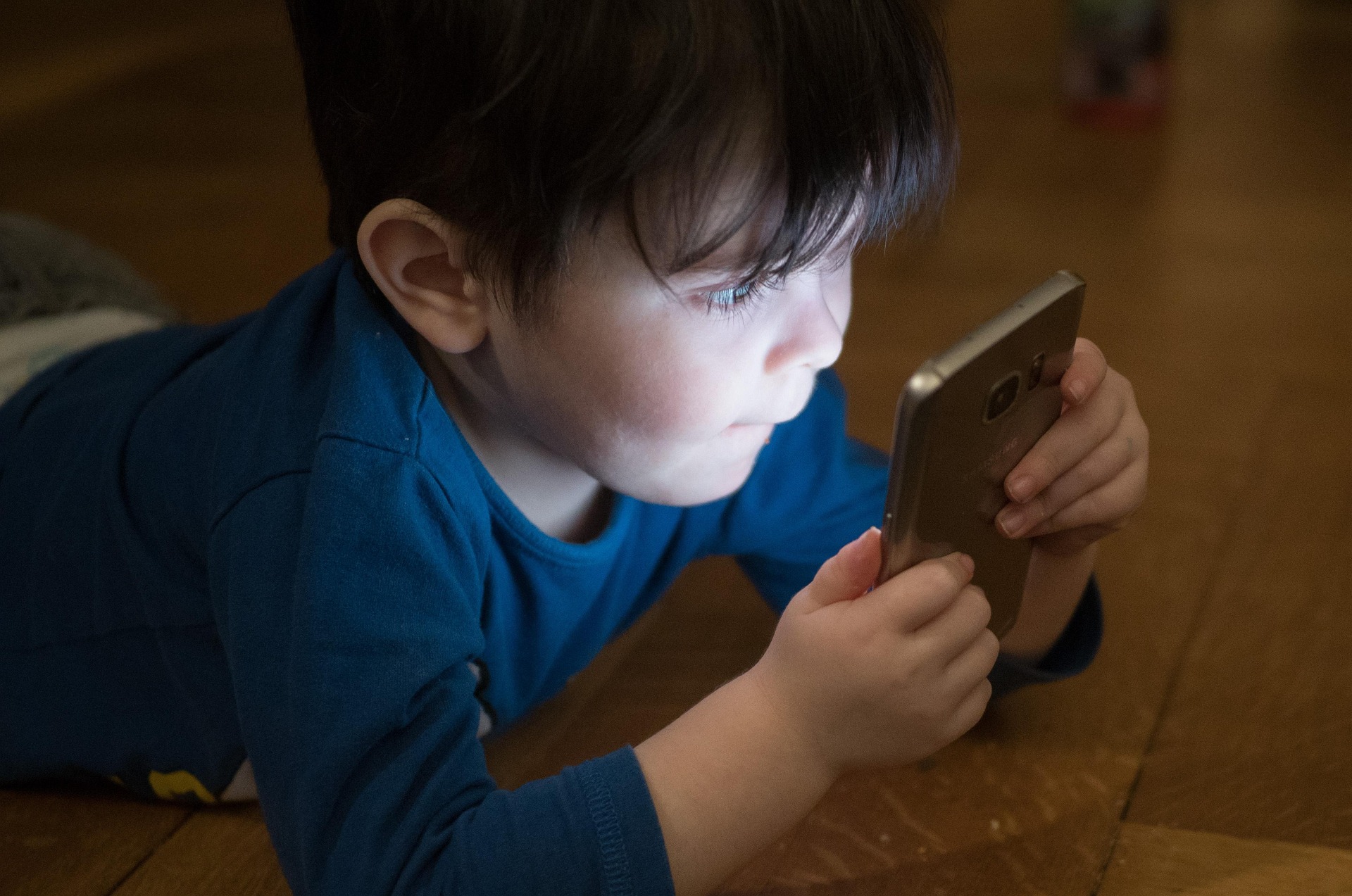
However, early years preschool is different from later education because it is concerned with “whole child” development rather than purely academic education. Neuroscience informs us how crucial these early years are, far more so than later education because it sets the foundation for all future learning and character development. And furthermore, a poor early years experience, whether in a preschool or in the home, can place a lifelong blocker on education and also on healthy physical and psychological development. [See also our piece on screen time]
Therefore this whole child development should be the most important determining factor in your preschool choice rather than perceived compatibility with later education routes. With this knowledge, the leading early years methods become more understandable but how do we determine which is best? First we need to understand what is on offer, so let’s begin there.
Montessori
This method was developed in Italy over 100 years ago. It is designed around what is known as child-led activity. This means that children are encouraged to choose what they want to do from a set range of predefined activities and are not interrupted until they choose to stop and do something else, thereby allowing each child to follow their interests and take the time they need (or want) to learn.
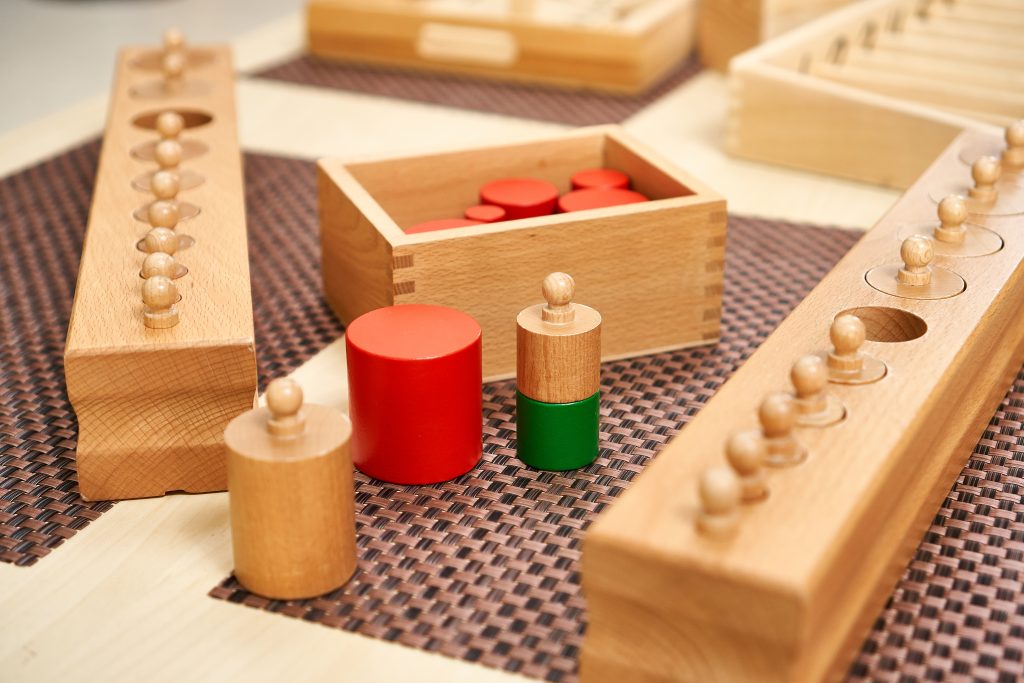
This is based on the assumption that children are self-motivated to learn at this age and that when they have mastered an activity they will move on to something else, because above all else children hate to be bored.
The main elements of the method are:
- Rooms are set up with predefined workstations using specifically designed equipment that promotes hands on learning; the children choose which station to work on and when to move to another.
- Teachers move from station to station and encourage/guide the children instead of standing at the head of the classroom lecturing, as in the traditional method (detailed later). Teachers do not interrupt the child and ask them to do something else while they are engaged with a particular activity.
- Often there are mixed age groups to facilitate child-to-child mentoring, the idea being children learn from peers and older children.
- The focus is broad across all the child’s development needs: physical; social; emotional and cognitive with an emphasis on developing resilience, self-reliance, decision making skills, and love of learning.
Some regularly quoted criticisms include:
- Can be inconsistent because the name Montessori can be used by anyone and needs no specific qualification and has no regulation, leaving parents to ask, “is it really Montessori?”.
- Sacrifices collaboration and social interaction for independence.
- Less structured than other curricula, possibly less rigorous in STEM generally, depending on the environment, specific provider and what you are comparing against.
- In true Montessori, teachers must be well trained in the method to ensure that they avoid gaps in child development and academic preparation for Primary stage. If not well trained and experienced the method deteriorates fast.
- It has often been said that Montessori promotes leadership and entrepreneurship but arguably most kids do not possess the character or personality that is suited to these traits and the job market does not necessarily reward them. This is the so-called “square peg in a round hole” problem. Not everyone is comfortable with, or is capable of, leadership or entrepreneurship and early years is a time for experimenting with many things and ways of operating.
Reggio Emilia
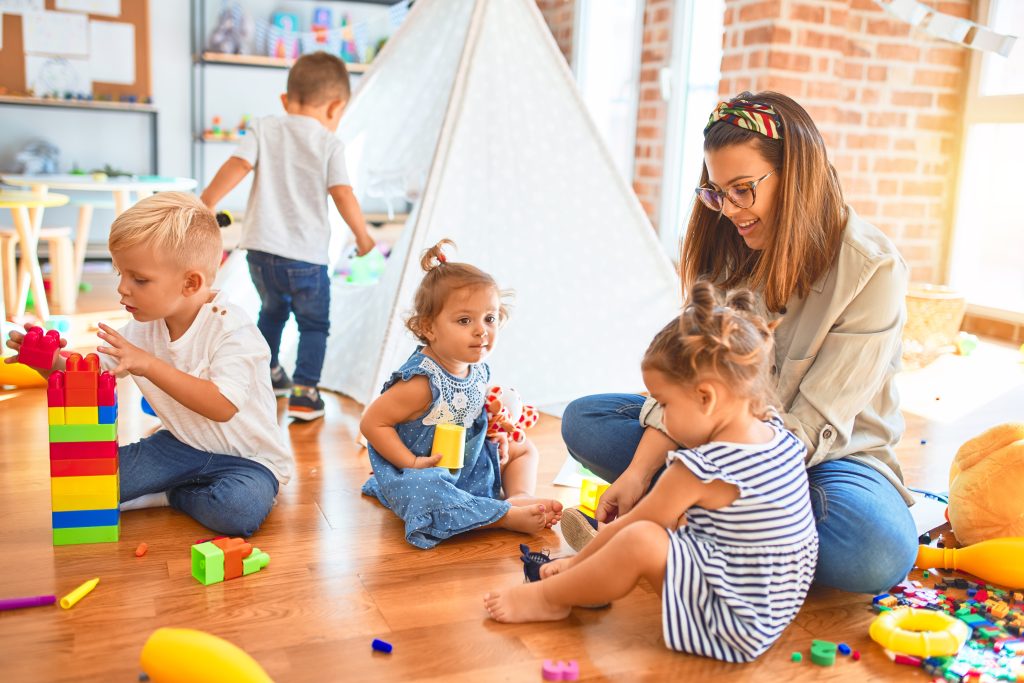
This is very much a child-centered approach focusing on a collaborative, hands-on and experiential learning environment. Like Montessori, this method was developed in Italy (after World War 2) and has been around for a long time. The core philosophy is that children learn best through exploration and self-discovery (rather than prescribed and controlled traditional instruction) plus interaction with the environment and peers.
The main elements of the method include:
- Child-led, which means that children get to decide what they want to do. However, unlike Montessori the setup is not so structured with preset activities related to a specific topic or objective. The curriculum is not preplanned but emerges from the child’s interests. Teachers must evolve the curriculum and lesson plans around what the children choose to do and show interests in.
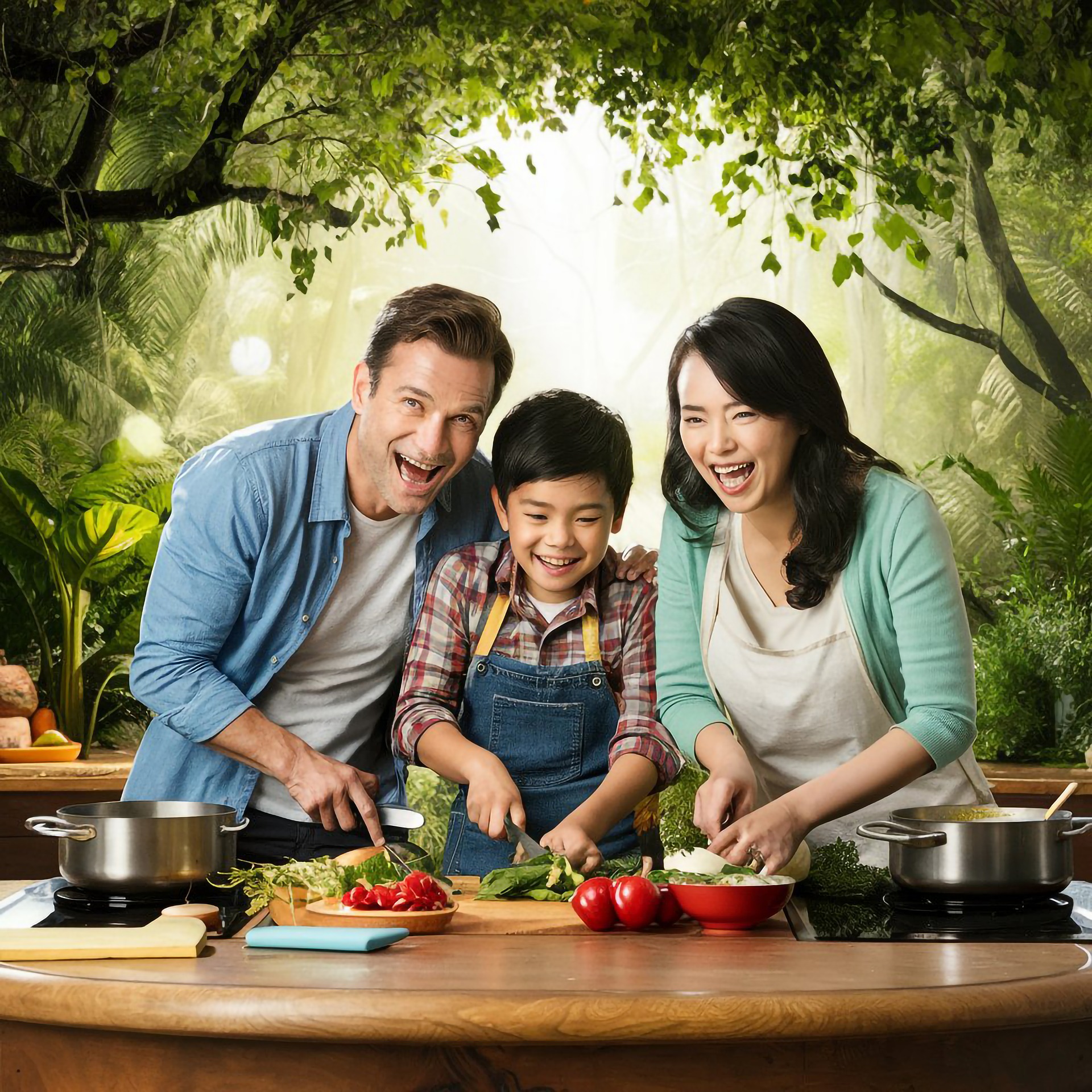
- The environment (classrooms, play areas and outdoors) is specifically designed to be stimulating and focused on specific long-term development goals. The outdoors and wider environment play a larger role than most other methods. In-school kitchens play a role in encouraging children to interact through food.
- Teachers are instrumental in using visual arts and work collaboratively as a team, using the environment and with strong family involvement to further educational objectives. They develop the curriculum as they go according to the individual needs and interests of the child.
- Emphasis is on self-directed learning, love of learning, social skills and teamwork, creativity and critical thinking.
Some criticisms include:
- Lack of a defined curriculum and measures-based system to track student attainment is a source of concern for governmental regulatory bodies.
- While collaborative learning is a core tenet, some critics argue that it may not adequately cater to children who prefer solitary play or have different learning styles or personalities. This is a similar concern to Montessori but for the opposite reason (Group learning vs individuality).
- Some educators worry that the approach’s focus on creativity and exploration may not sufficiently prepare children for the academic demands of later schooling.
- Also, like Montessori, teachers must be specifically trained in the method to ensure that they can meet all children’s needs and avoid gaps in development and educational preparation for Primary stage.
Traditional approach
This approach many of us know because it is likely what we also experienced it as children ourselves. It is typified by rigid, structured and standardised curricula incorporated in sets of textbooks that teachers follow; classroom based, teacher led instruction; written and verbal exercises to reinforce learning and is generally pen and paper (blackboard & chalk) based.
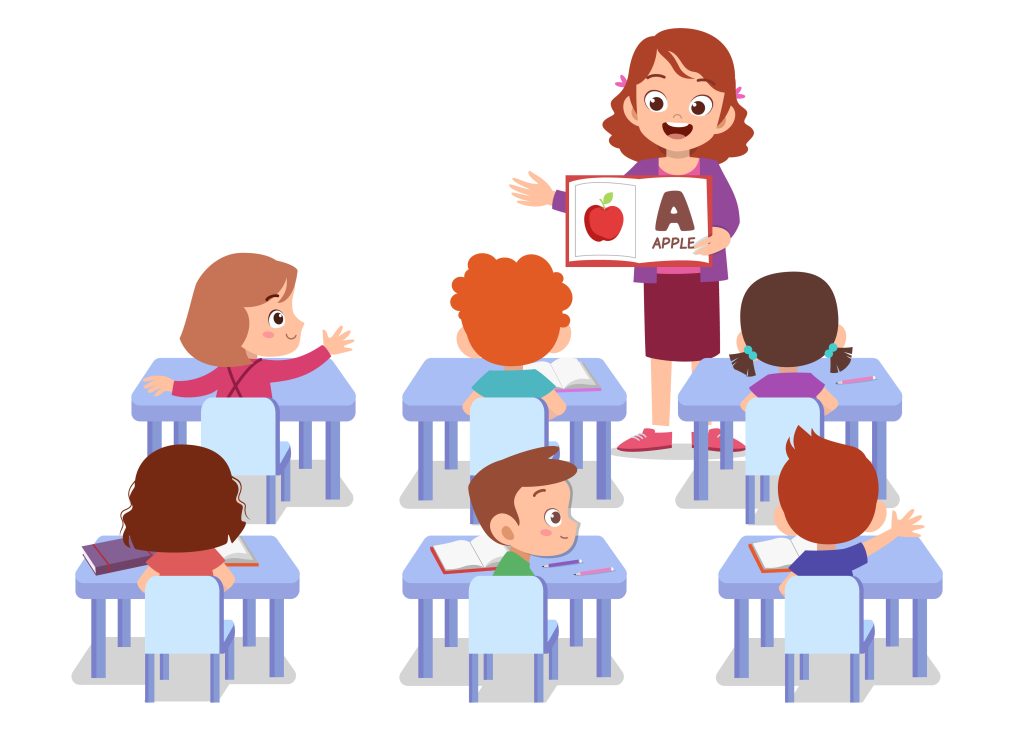
The main elements of the method include:
- Teacher-centred, with teachers following the book-based curriculum and instructing from the front of the class using a blackboard and chalk, or similar, and set written exercises for children to practice.
- Focus on academic skills with far less development effort placed into: social, emotional, child-led play, inquiry-based activities, hands on activities and group dynamic skills than the other methods.
- Emphasis on memorisation and repetition as a key learning mechanism. Also known as drilling or rote learning [See our blog series related to this topic].
- Discipline and rules-based setting with little to no child-led choice or personalisation according to child needs.
Some regularly quoted criticisms include:
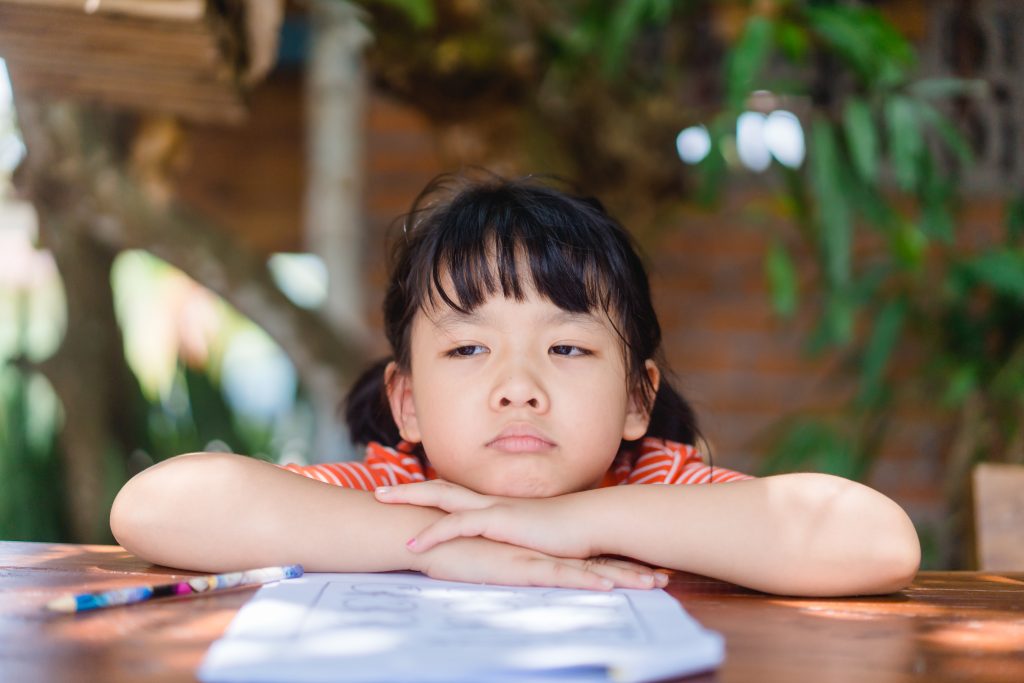
- Too rigid and structured: not allowing for children’s interests, different speeds of learning and diverse skills to be developed – ultimately children may find this method unengaging and boring, which hampers learning. One size does not fit all!
- Emphasis on rote learning and drilling: Recently emerging neuroscience has discovered that on average it takes 400 repetitions for a new brain pathway (or synapse) to be established unless learning is done through play, in which case that is dramatically reduced to 10-20 repetitions (see our Educational Approach website section for more on this).
- Limited socio-emotional development: in Early Years a broad-based development focus, such as that typified by the UK Early Years Foundation Stage (EYFS), is crucial to holistic development and preparation for primary. Child psychology informs us that children must be adequately socialised by the age of 4 or will likely suffer lifelong consequences.
- Increased Stress & Anxiety: the rigid structure and memorisation techniques can overly stress early years children who as a result, neuroscience informs us, may suffer blockers to learning and developing, possibly with permanent consequences. “Let children be children!”
- Classroom centric: a lack of focus and exposure to nature and the outdoors during actual learning sessions, which also has an effect on developing myopia [see our article of this topic]
The HEI School of Finland – a Play-based method
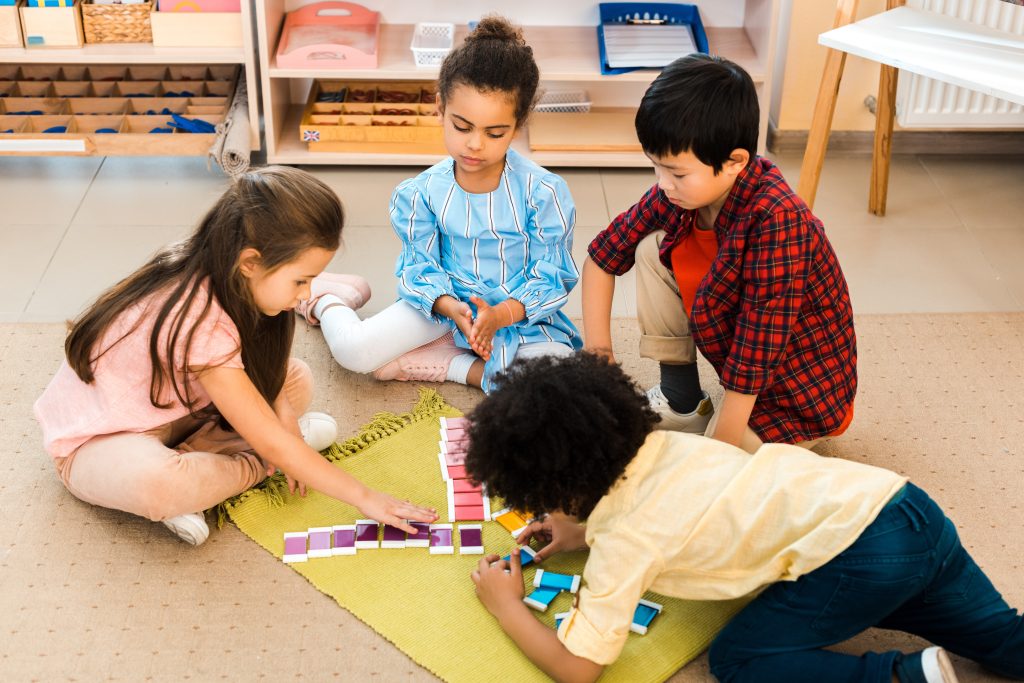
In Finnish early childhood education, learning is understood as a lifelong process. Learning happens in an active way by utilising children’s natural curiosity, their desire to explore and the joy of discovery. Free play is a natural way to learn physical, emotional, social and intellectual skills, and play is children’s main activity in which to do so in Finnish early education. There is a balance between individual and group learning.
The main elements of the method include:
- Play-based: leveraging the natural curiosity and creativity inbuilt in children from birth plus the latest in neuroscience understanding of how the brain develops. Play-based learning is more natural for children and therefore less stressful to navigate and both faster and more durable than traditional methods of learning, according to the neuroscience.
- Learning everywhere all the time: this concept is about teachers being aware that children do not think in single subject terms but more holistically. Therefore while doing Physical Education, for example, they can also learn to count and learn language. Teachers actively seek such cross-subject opportunities and tie academic learning to real world environments in this way [vitally important – see our blog on this topic – why do children ask why?].
- Social learning: essentially learning about how to navigate social groups and also learning from peers as well as adults. This involves structured Social Emotional activities, and a balance of teacher-led activities and peer learning or individually motivated learning during free play.
- Learning through exploration: this is chiefly about inquiry-based learning via project type activities, hands-on exercises and experimentation. Projects vary between individual and group settings to get a balance between individuality and social dynamics.
- Emphasis is on play as a mechanism for better, faster learning; holistic approach that blends academics and other development areas like social, emotional, sensory etc; a balance between teacher-led and child-led activities; inquiry-based learning and creation of cross-disciplinary learning opportunities connecting academic learning to the real world to produce motivated lifelong learners.
Some criticisms include:
- Some critics argue that the emphasis on play-based learning, while beneficial for some, might not provide sufficient structure for all children and may result in academic gaps in knowledge and/or a lack of preparedness for the more structured learning in post preschool settings.
- There is some concern that the Finnish method, in Finland deployed by the socialist minded state, may not transfer well to other cultures and may lack the structure and discipline valued by such other cultures that they may believe as necessary for later educational experiences. Although it must be noted that the HEI School curriculum is specifically crafted for use outside Finland.
- While collaborative learning is a core tenet, some critics argue that it may not adequately cater to children who prefer solitary play or have different learning styles.
- Similar to real Montessori and Reggio Emilia, there are some concerns that a 100% HEI School play-based approach requires highly trained teachers, well versed in the method.
Our Conclusion
In conducting our in-depth research into the leading methods for early years learning; plus the academic research and neuroscience research into how children learn; plus what interrupts and delays learning and development, we concluded that no one method is perfect for the Malaysian environment, indeed for many environments. We believe you cannot simple copy methods created in one country and paste into another. However, there are many aspects that are uniformly useful and beneficial in any culture or environment such as:
- Play-based learning – the neuroscience is clear on the benefits of this.
- Active learning rather than passive learning (e.g. hands-on, enquiry-based vs teacher-led lecturing) – the consensus of academic research is clear that active learning is far superior.
- Cross-disciplinary learning opportunities (Learning everywhere all the time).
- Holistic learning beyond the purely academic and focused on the whole-child experience.
In addition, we add on the following aspects from our wider research into how children learn:
- A balance between unstructured (free play) and structured learning activities including: teacher-led play-based activities, written exercises to reinforce learning and structured timetable by subject.
- A balance between group social interaction and individuality.
- A centrally created curriculum supported by measurable milestones, which teachers are mandated to follow to ensure quality and consistency of child development.
The Purple Dragon philosophy and approach
At Purple Dragon we decided NOT to select a single method but to take the best of several methods and create a bespoke approach within a widely accepted scientific and academic educational research framework of how children learn and how their brains and psychology develops.
Our website and series of blog articles summarising the UNESCO How Children Learn report go into some detail on what this all means and how it works, with academic references where relevant, but for the purpose of this article it is sufficient to understand that the Purple Dragon approach is rooted in hard science and proven educational practice.
To make this real in the classrooms for our children, we blend the HEI school play based activities (HEI School Toolkit) with the long standing and proven UK Early Years Foundation Stage (EYFS) child development milestones, which provides structure to the play-based activities and an ability to monitor and assess progress and address any issues in real time.
We also overlay some more traditional approaches to retain what is good and useful from the old ways. For Mandarin and Bahasa we leverage both our own play-based activities and books-based learning to reap the play-based benefits but meet the expectation for later educational routes (e.g. Chinese and government schools). For English, Maths and STEM we add written recap exercises to leverage the discipline of the more traditional method on top of the play-based learning activities. And rather than a total free-play or self-select format we use a more traditional system of subject based timetables that requires children to focus on specific topics at specific times, with an emphasis on play-based and active learning methods during the lessons.
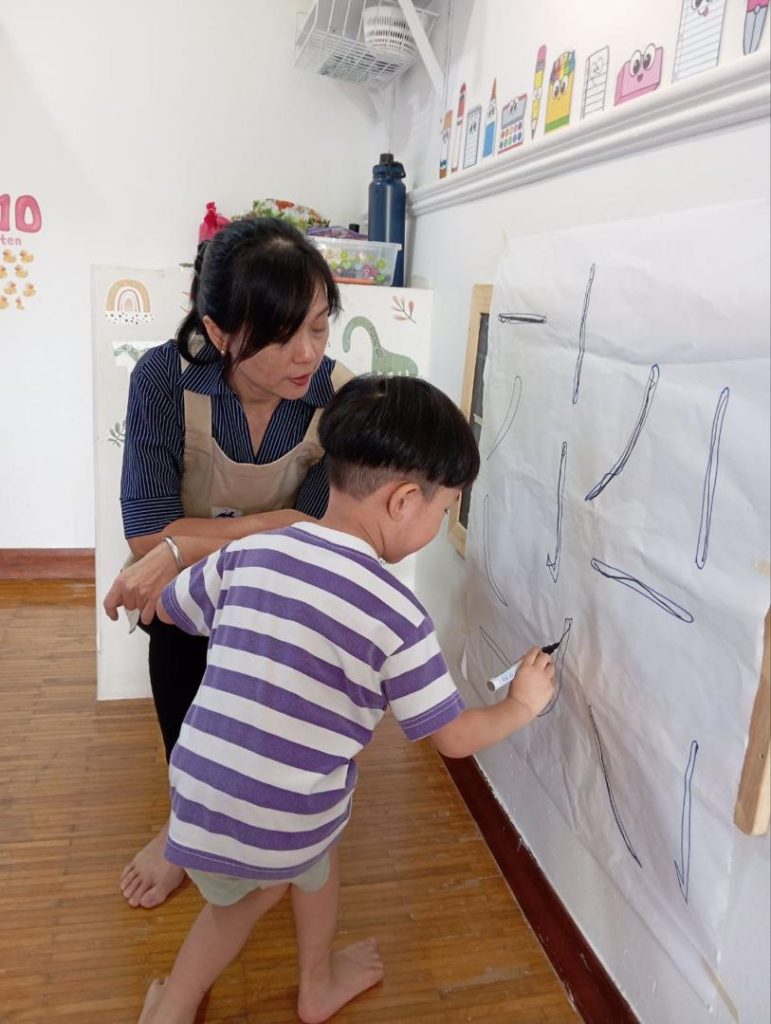
Our afternoon Daycare service is exclusively play-based but does leverage the structured curriculum for materials and activities (e.g. role-play) and has a particular emphasis on free play and outdoors/physical play.
How does the Purple Dragon bespoke method work in practice?
We create bespoke lesson plans centrally and deploy these to our teachers, who then use their experience and creativity to make the lessons real for the children. We monitor this to ensure quality and conformity to the curriculum and method. Using the EYFS milestones, we hold half yearly assessment and review sessions with parents to focus on mutual support for any specific development issues a child may have.
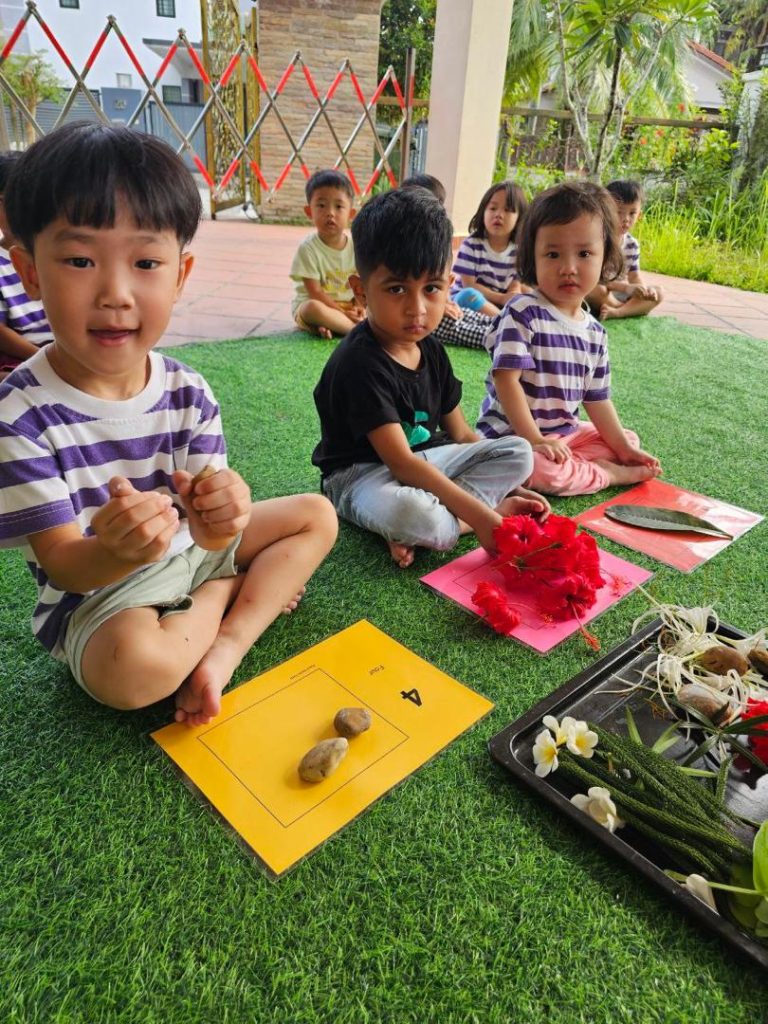
These lesson plans leverage both the Finland HEI School play-based method (the toolkit, note we are not a franchise “HEI School”) and the UK EYFS milestones structure overlayed with our own creative lesson mechanisms (e.g. experiments, games and activities) to optimise play-based, inquiry-based and hands-on learning opportunities but in a structured way.
We also create our own paper-based exercises and games to reinforce the more structured learning as a recap and blend different activity types to develop learning opportunities in one subject via another. Some lesson sessions are entirely devoted to these recap and reinforcement of learning activities.
For example, we have finger painting and calligraphy art activities that uses letters of the alphabet and mandarin symbols as the basis for the art; thereby the children reinforce recognition of the letters and symbols via a fun art experience.
In each 30 minute lesson the children are asked to follow the structured (mostly play-based) lesson plan work to complete the learning activity and only then allowed to engage in free-play, self-selected from a predefined set of toys or games associated with the topic, for the remainder of the lesson period. In this way we combine a structured curriculum-based approach and self-select method to achieve the education and development objectives and milestones and also instill the discipline of the traditional method. By creating this bespoke method we seek to take advantage of the best the educational and scientific research has to offer in the area of early years education.
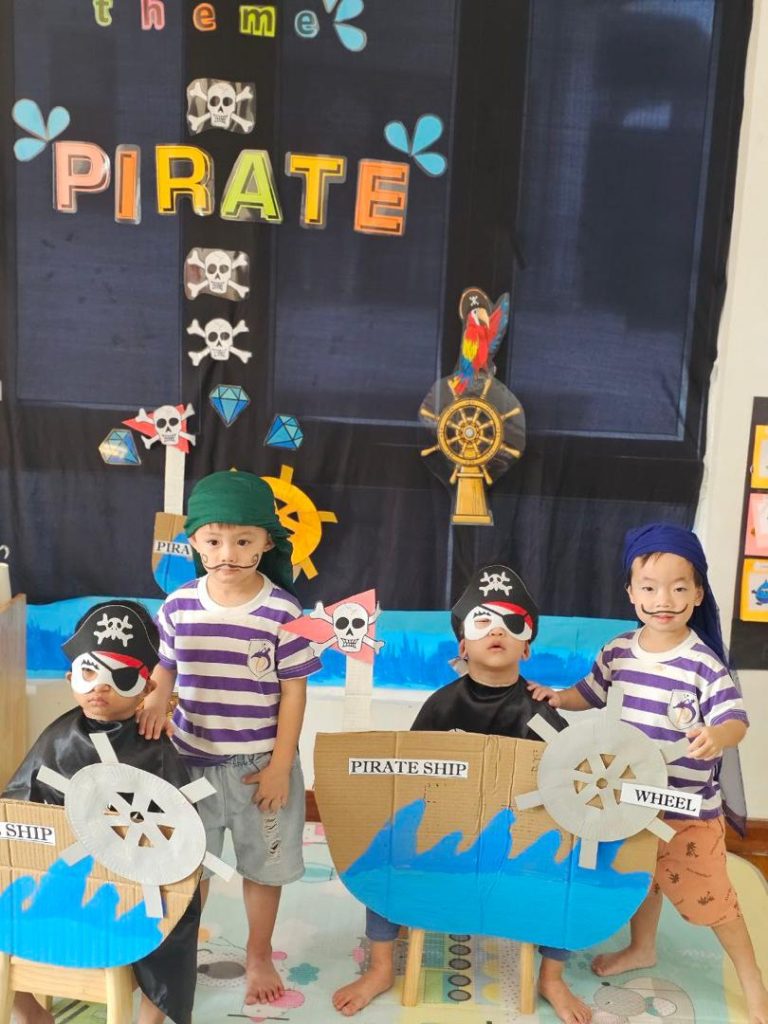
But we also retain the traditional structure and disciplines that prepare children for any future educational system they might encounter. Thus we promote and leverage natural gifts of curiosity, thirst for learning and creative thinking that children inherit and also seek to minimise barriers and blockers to learning (stress and boredom). We seek to develop the “holistic-child” across all necessary areas from academic to sensory to physical to social and emotional and thereby imbue in each child a lifelong love of learning and the resilience to thrive in any environment, and to discover their true self, in their future life journey.
If you like what you have learned consider choosing Purple Dragon to guide your children to be Resilient, Motivated, Lifelong Learners and contact us for more information.