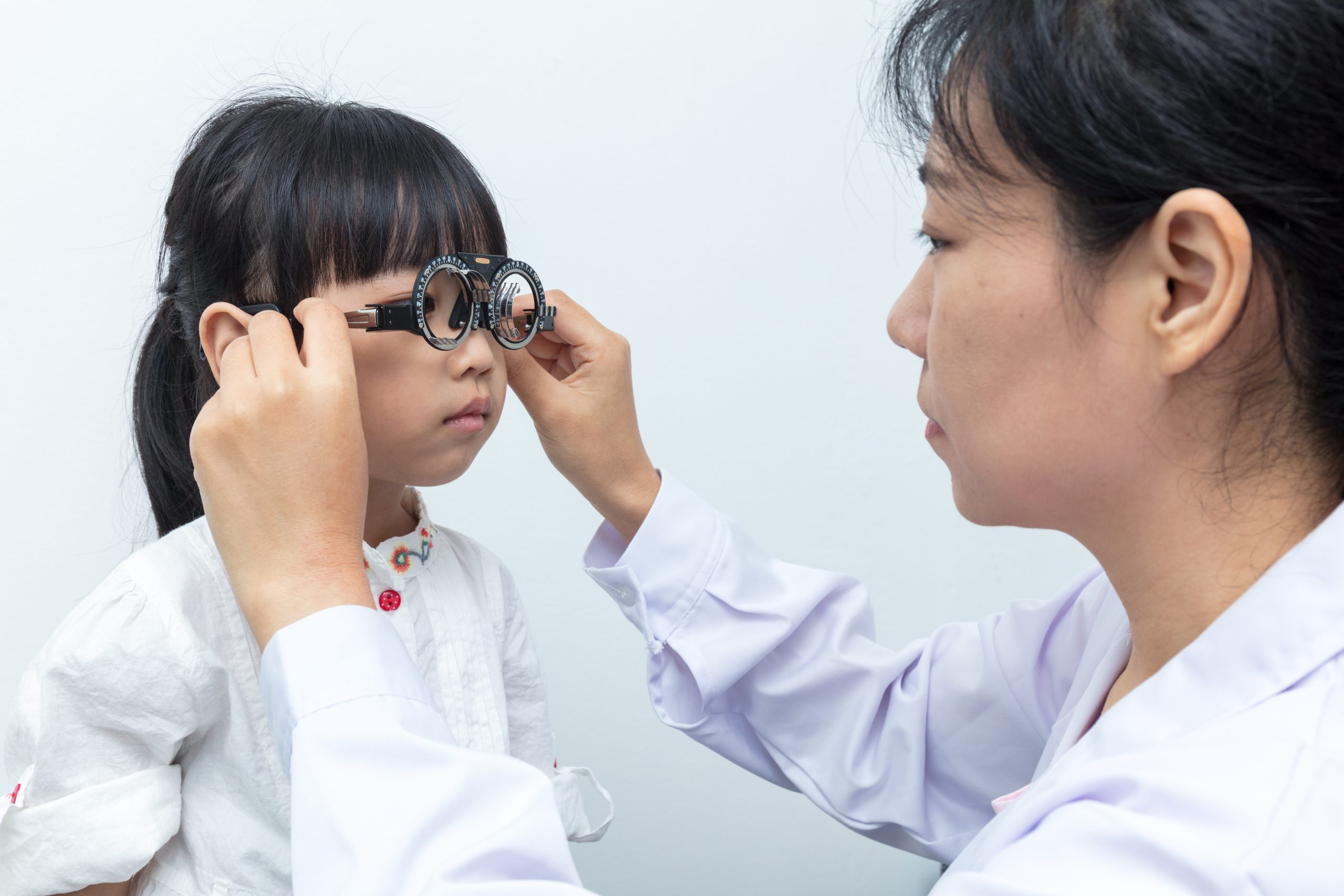
I was diagnosed with myopia in my mid-teens. Neither of my parents wore glasses and there was no evidence of much myopia (shortsightedness) in my family on either side. I was the second of my siblings to develop myopia and eventually all four of us did. Curious right? At the same time many of my cousins experienced the same thing.
The eye specialist I went to, one of the top eye surgeons in my country at the time, said I was suffering from self-induced myopia, which means it was not genetic but rather I did it to myself. I didn’t think much about it at the time, other than the juvenile wrench at having to wear glasses, but now I do because I have my own child and wanted to find out if there was anything I could do to help prevent him from also doing it to himself. Here is what I discovered…
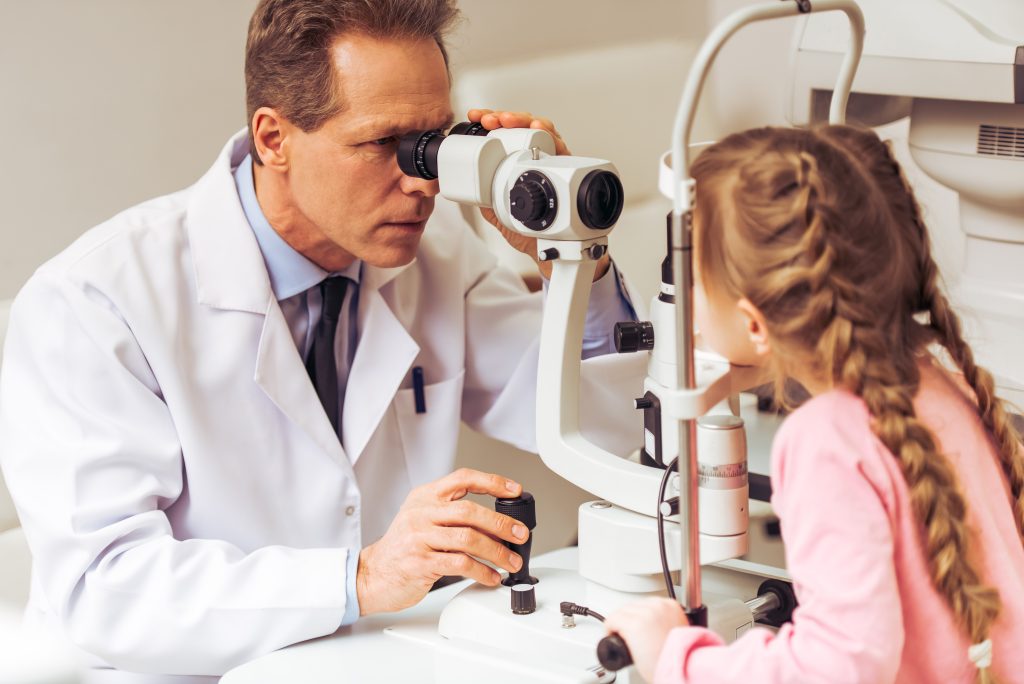
Risk factors for developing Myopia
Over the past few decades the instance of childhood myopia (shortsightedness or nearsightedness) has increased very significantly such that is could be called an epidemic!
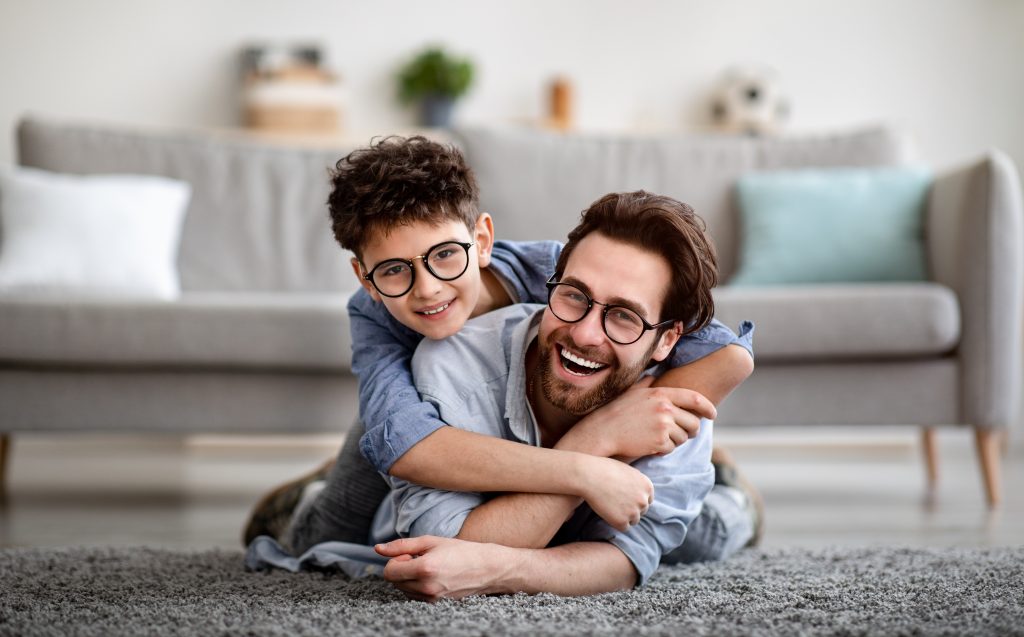
Genetics: If one or both parents are myopic the percentage chance of the child developing myopia increases significantly (double the chance with 1 parent, more than 6 times with both). The risk factor if neither parent has myopia is a mere 7-8%. So, were my siblings and I just unlucky? All of us? Doubtful…
Environmental factors:
The following are the key factors beyond genetics that influence development of myopia:
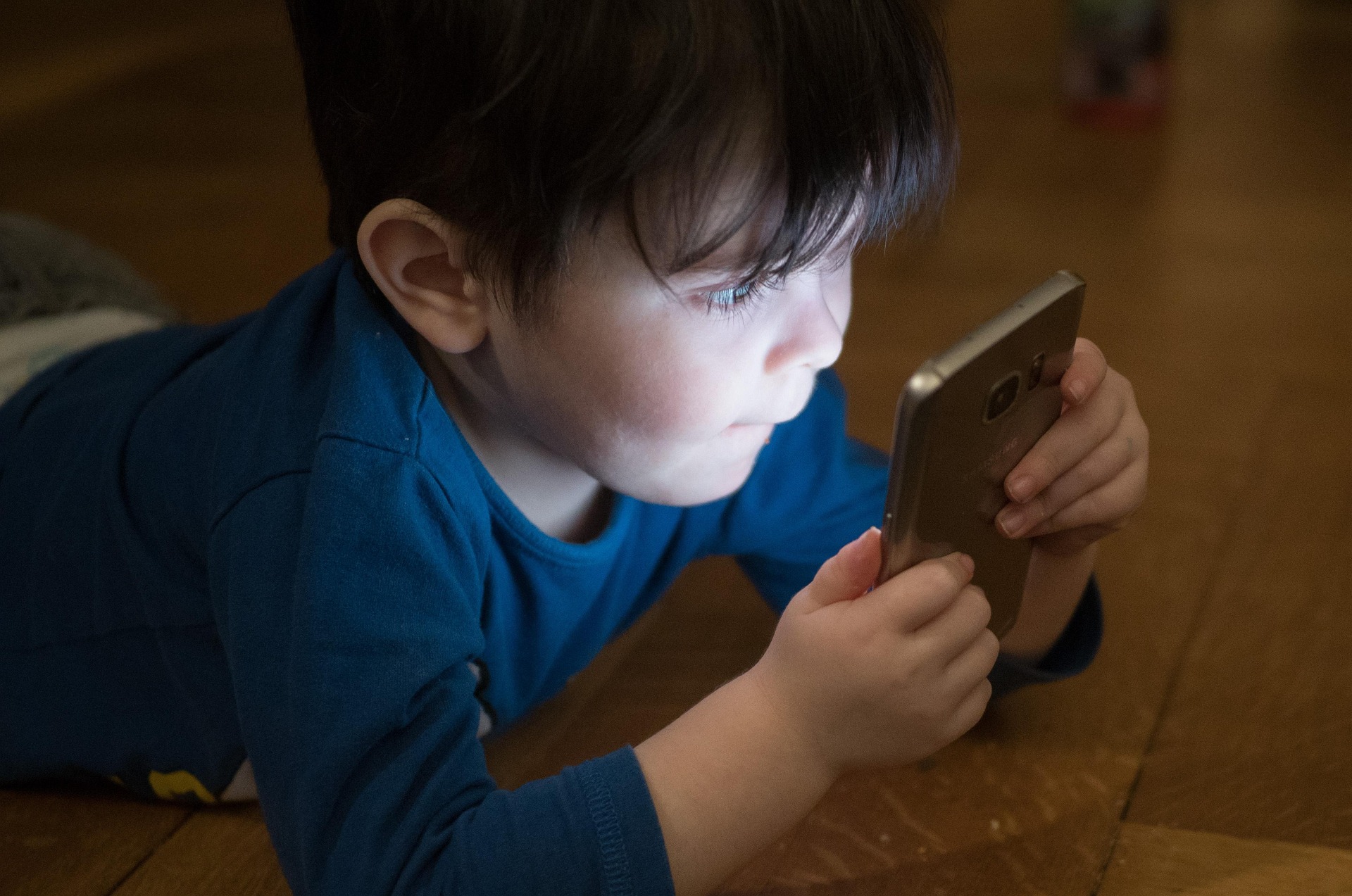
- Prolonged close-up activity, including reading, using computers, video gaming etc.
- Lack of outdoor time, which means playing physical games outside, especially with friends, and activities that stimulate both hand eye coordination and constant near/far eye focus adjustment and also exposure to sunlight, which impacts physical eye-growth and development positively.
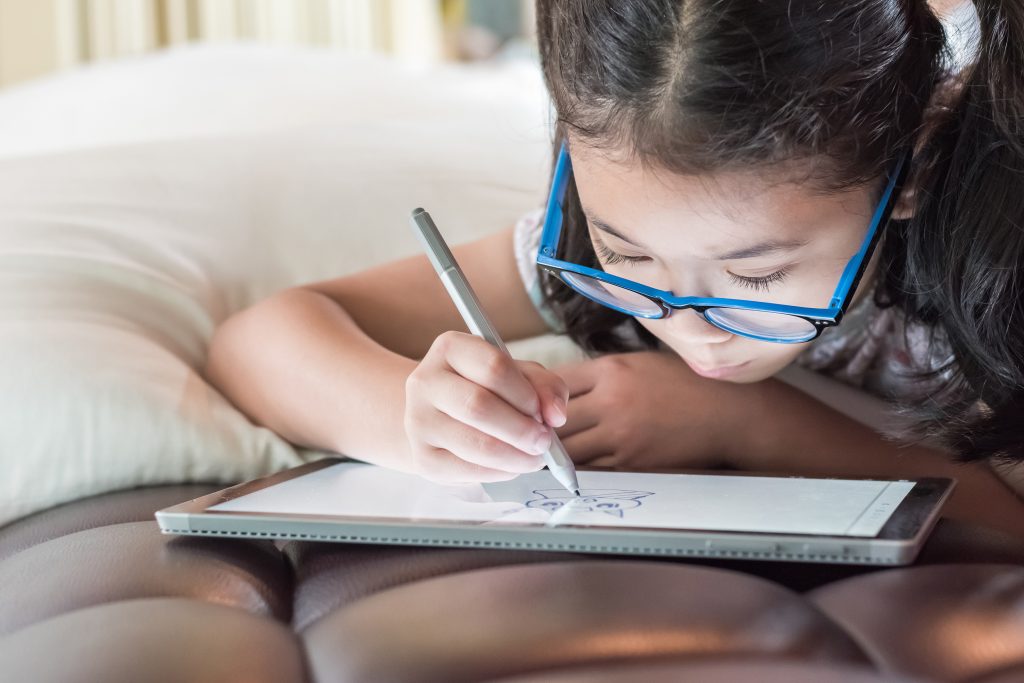
- Increased screen time. Some studies have concluded that there is a correlation between excessive screen time and myopia. However, such a correlation is not evidence of direct causation and the general consensus is that this falls more correctly under the two categories above. For more on screen time for children see our detailed review article of the relevant academic literature [click here].
- Urbanisation, some studies also suggest a link between a more urban lifestyle and myopia but again this is likely to me more about not getting out and about as much as rural people do and a lack of open spaces which encourages focus of the eye on the horizon, like staring out at the sea on a beach holiday or looking at the rolling hills in the distance on a countryside walk.
Eye growth and development: This includes eyeball elongation, which results in incorrect focus of light by the lens on the retina and corneal curvature where the cornea bends the light incorrectly amongst other developmental issues. However, it seems that genetics rather than environmental factors may be the more important governors of these developmental issues.
In summary, the risks seem to be genetic (nothing we can do about this except recognise the increased risk) and environmental, which is what my eye surgeon referred to as “self-induced myopia”. And the data suggests the latter is the chief cause of the epidemic of myopia in recent times. In both cases all we can do is minimise the environmental risks and act quickly if our children begin to develop myopia symptoms by going to a specialist. There may also be dietary contributing factors but that is too wide a topic to address in this article and goes to the wider challenge against generally accepted ideas of what a healthy diet actually is…
What can parents do to minimise the risks of children developing myopia?
- Limit the time children spend doing close work, including both schoolwork and leisure time, especially during the early years when physical development is so important.
While adults can develop myopia too it is far more likely to develop during childhood. The longer you can delay the onset of myopia the greater the chance of avoidance or less severe cases. Basically, we are playing for time and in so doing maybe avoiding it altogether. Some school systems do not deploy homework in primary school at all, focusing on in-class activities. Such systems reduce the amount of demanded close work at home. The same is true for PreSchools.
But we must also monitor the free time of our children at home and actively encourage them to play with toys and friends rather than reading or using screens. Playing sports is also very good as it forces rapid varying of focus from near to far distances.
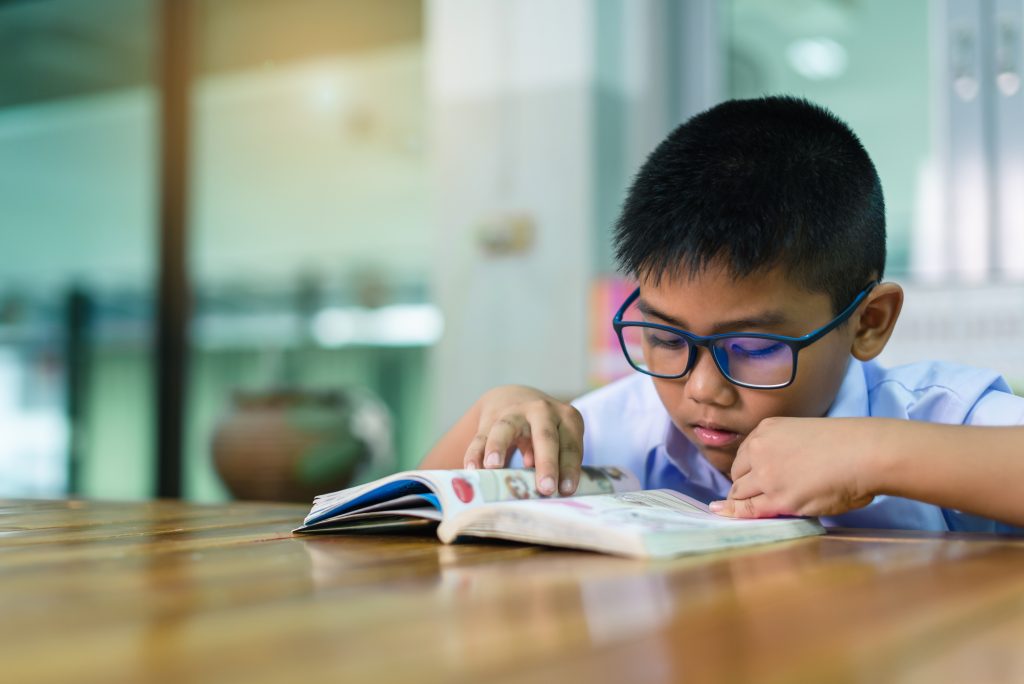
Reading is obviously essential but in the early years reading to our children is better for their eyes as children tend to lean in close to a book when they are beginning to learn how to read due to the effort and concentration required. Parents and teachers should encourage their children to keep an arm’s length away from books when reading and use their finger to point out the words with arms as straight as possible and to not lean down into a book.
This is also relevant when using screens. Try to position children as far from the screens as possible to promote distance eye focus.
Also, there is a need to take regular breaks from any close work, at least every 20 minutes is recommended, and do something that requires far vision or variable near/far focus shifting. This is good advice for adults as well and also to shift posture regularly, stretch out and thereby reduce the chances of repetitive strain injury and eye fatigue.
- A healthy diet and sufficient sleep are also important factors in all development related areas and eyesight is no exception.
Parents should look into any nutrients, vitamins and minerals that promote healthy eye development and what foods to avoid. It seems that vitamin D is of particular importance and we get this principally from sunlight, another reason to promote more outdoor time, and Vit D also boosts the immune system. More on food and diet in a later article.
- The most important one is getting your children outside playing games and sports.
There are multiple reasons for this:
First, generally, your children will not be doing close work outside, although reading or other similar activities outside are more positive for eye health than if done inside because there is more encouragement to look away into the distance and also they get direct sunlight exposure (see next point);

Second, studies show that sunlight entering the eye has a positive effect on eye development and health, in addition to the vitamin D benefits.
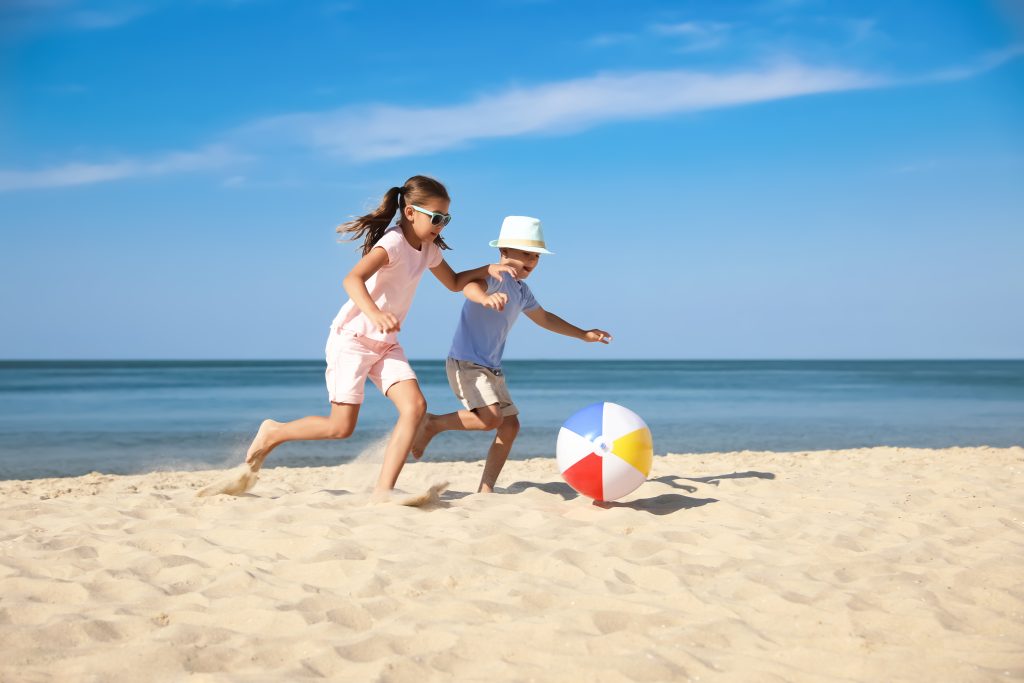
Finally, children playing games and sports outside must naturally vary their focus between near and far distances and this action helps develop the eye physically. It seems that the action of not varying focus for a prolonged period, while reading or using screens for example, is bad for healthy eye development, like a lack of exercise for the body generally, thus we must give our children activities which force them to vary their focus repeatedly and rapidly. Sports and games like hide and seek are great for this. In addition, the promotion of general physical fitness has a general developmental benefit.
My personal story conclusion
To conclude my personal story, ironically I was a very active outdoors kid, playing football on the street and in primary school, and from the age of 8 playing rugby at the local club. Additionally, I grew up in a rural setting from the age of 8 and was always out in the fields and forests or in my parents’ large garden. However, when winter came around, my sisters and I would spend more time indoors and we were all avid readers of books and our primary school did set significant homework, which we did in a drawn-out fashion rather than intensively, because we found it boring… We did not have personal screen devices but there was TV or course, which we watched only moderately. So it seems that screen time was not our problem…
I did not develop myopia until about age 15. This coincided with puberty and a much heavier and intensive study load at secondary school. Despite still playing lots of sports the amount of indoor time per day increased in secondary school as the academic day lengthened and this only intensified further at university. Make of that what you will, for me I want my son to not do school homework until secondary school, get out and about as much as possible, be physically active and keep close work to a minimum in his early years. Will that work? The odds are against him as both his parents have myopia but no family history of it! Let’s see… At least I will do my best to delay the development of myopia and hope for avoidance. Fingers crossed.
But don’t take my word for it, check out what Ophthalmologist Michael Chua MD has to say in this illuminating piece.
In summary
- Myopia is on the increase and a large part of this is due to environmental factors and lifestyle (self-induced myopia) plus it isn’t merely an annoyance that can be fixed by glasses or surgery but significantly increases the chances of more serious eye problems and even blindness.
- The chief culprit for causing self-induced myopia is not genetics, although having parents with myopia does increase the risk of children developing it, but rather, most likely, too much indoor time and near work and maybe some dietary impacts too. Children need to be outdoors playing and getting physical exercise and being in direct sunlight (with due care for other risks associated with this of course).
- Spending 2 hours per day (or 14 hours per week) outdoors has been found to halt and reverse the trend of childhood myopia development. In Taiwan the public health agency implemented this as a requirement in all schools to dramatic positive effect.
Purple Dragon policy
At Purple Dragon we firmly believe in physical activity as a core early years development necessity, and also, in the concept that prevention is better than cure when it comes to child development issues.
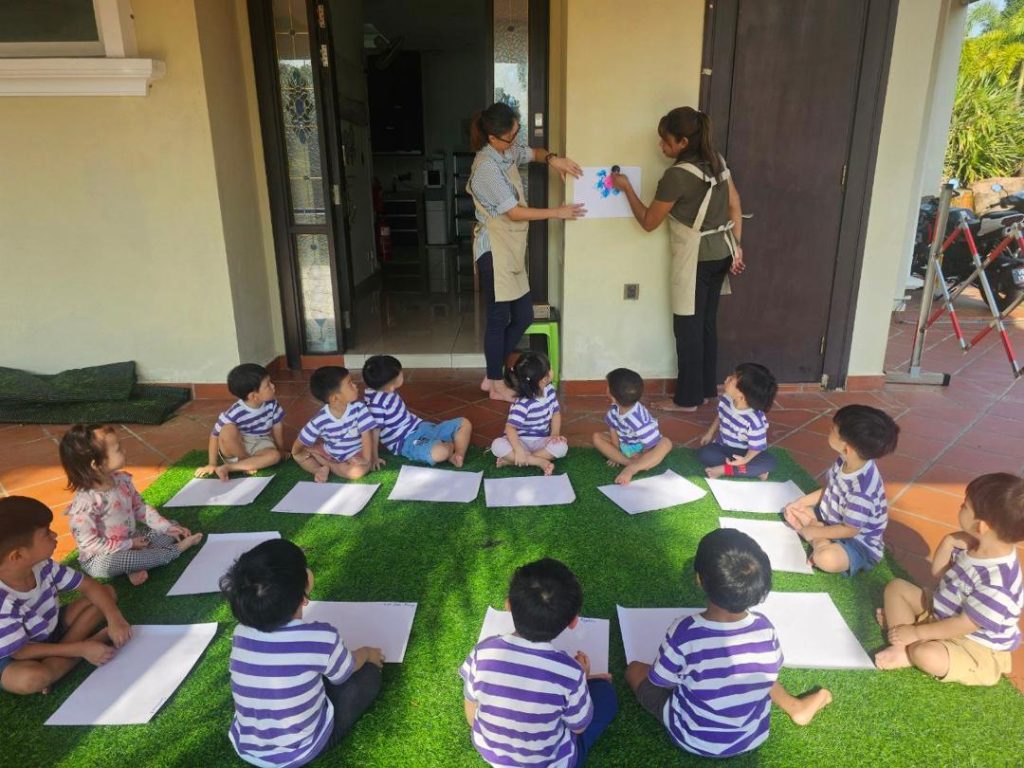
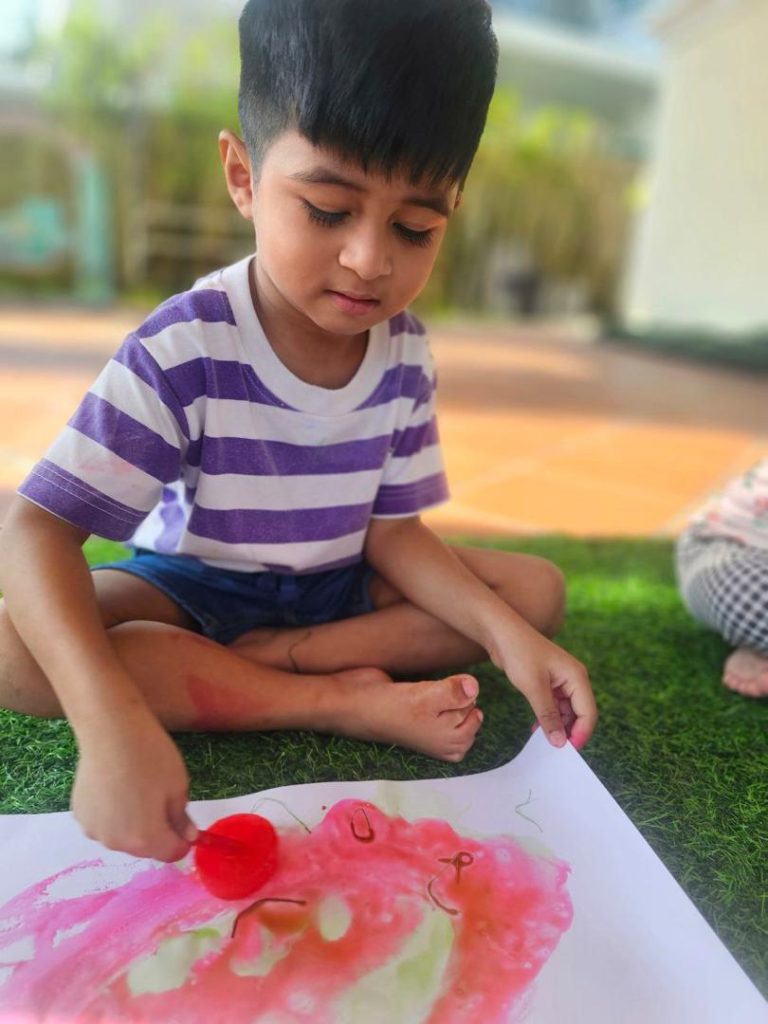
In our morning school timetable we have one 30 minute period dedicated to physical activity, with a preference for outdoors settings, and in addition teachers are encouraged to perform other activities outdoors whenever possible, such as: treasure hunts, scavenger hunts, art sessions and even some maths and languages sessions.
Our play-based method makes this option far more accessible than traditional book-only based curricula. In addition, our afternoon daycare children receive another hour or so of outdoor play, weather permitting. Our objective is to achieve the recommended 2 hours per day of outdoor time, subject to weather limitation and safety risk assessment. See our “Splash day” waterplay sessions on Instagram [click link]
References (in addition to video inserts)
https://www.aao.org/eye-health/tips-prevention/screen-use-kids
https://my.clevelandclinic.org/health/diseases/8579-myopia-nearsightedness