
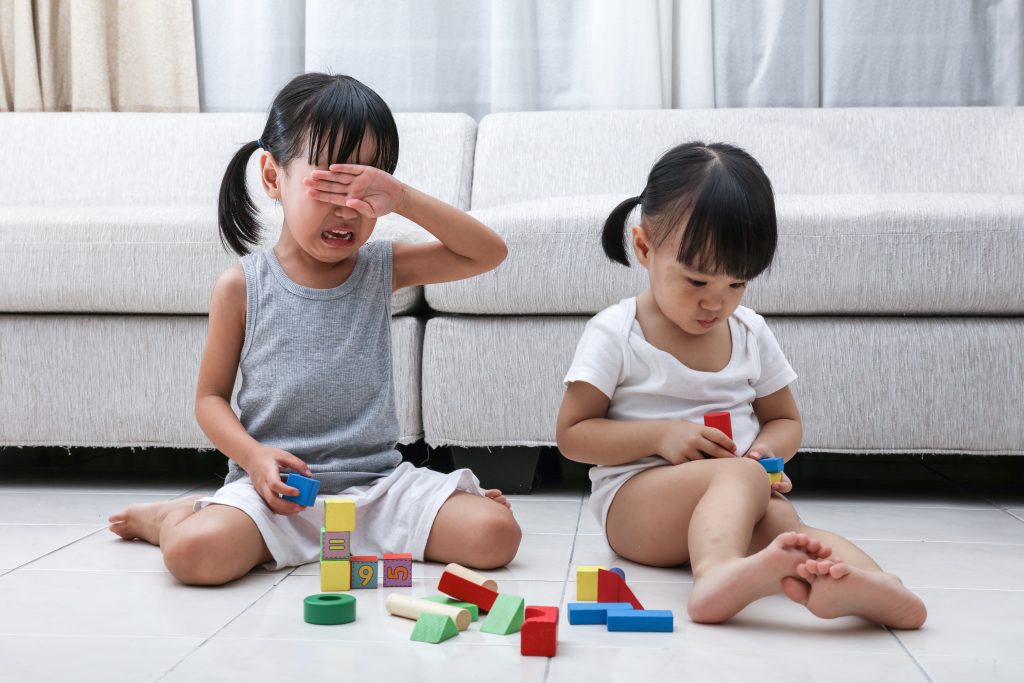
Like every Early Years school, we get our share of biting, hitting, kicking, scratching and tantrums, especially during those “terrible twos”. The data suggests that over 50% of all preschool children will suffer biting, 1 out of every 2! That is huge! Biting upsets everyone: both sets of parents; teachers; and BOTH children.
But what does the child psychology profession tell us about why it happens and what we can do about it?
Summary of research findings:
- Biting, like hitting, kicking, scratching and tantrums, is entirely normal and expected behaviour for most, if not all, toddlers (aged between 1 – 4 years). It is a normal growth stage brought on by brain development, especially in the area of emotion regulation and impulse control.
- Indeed over 50% of all Early Years children will experience being bitten, often more than once.
- BUT it is important to recognise that biting is, generally, not malicious or manipulative but rather an involuntary reaction to emotions children cannot control or express with words, so they “act out”.
- Crucially this behaviour must be socialised out of them by age 4 or may cause long-term behavioural problems, so while biting is normal, it is not trivial!
- The are many specific triggers but are all associated with 1) frustration; 2) feelings of anger and perceived injustice; 3) lack of impulse control (“I want it now!”) and 4) lack of appropriate attention from those important in their lives and an inability to express any of this in words. It is vital that we assess the situation to understand what the specific triggers might be, this may not be obvious at first glance!
- There are specific Dos and Don’ts parents and carers need to apply (see below for details). Chief among these are: Don’t blame the children or hit or bite back and Do act in a calm and soothing manner to both the person who was bitten (first) and the person who bit, seeking, gently, to get them to understand that biting is wrong and what they should try to do instead. This is about education, not about crime and punishment.
- If the issue is not a purely developmental teaching matter there may be deeper underlying issues at play, which may require professional assessment, interventions and specialist care.
Introduction

Biting is a form of physical interaction that causes particular distress among parents and carers and of course also peers of the child. Hitting, kicking and scratching are also common early years interactions, sometimes collectively referred to as “acting out”. Biting is especially viscerally shocking because it seems so feral to adults.
It is important to know that child psychologists say that biting, and all the other manifestations of physicality, is an entirely normal developmental stage for very young children. Indeed, the so-called “Terrible Twos” refers specifically to that developmental stage, typically between ages 1.5 and 3 years, where such “acting out” occurs, including tantrums. However, studies also reveal that children MUST be socialised out of antisocial behaviour by the age of 4 or the risk that they never will be is much higher, which may blight their entire lives… So this is normal but is also not a trivial developmental issue.
Generally, toddlers (1 – 4 years old) go through a phase of brain development associated with planning and impulse control, coupled with emotional regulation. They want to explore and test boundaries and acquire more independence, which is why they want to do more things for themselves and get annoyed if you try to help them.
However, they simply are not ready to do everything they want to do and easily get frustrated and angry by prohibition of certain things and their own inability to do things. They also get angry when a peer seemingly stops them from doing something they want to do, causing a reaction or squabble.
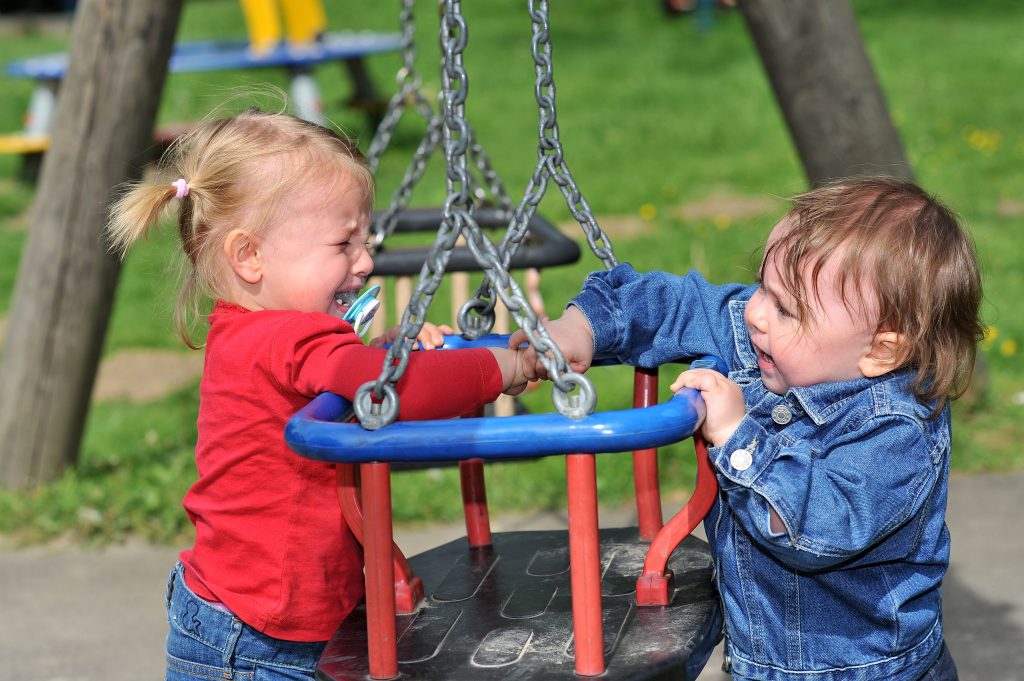
Add to this that their ability to use language to express this emotional agitation and even to understand and regulate their own emotions, is not yet sufficient and you get an emotional perfect storm!
A quick word about Tantrums and Meltdowns
Regardless of the severity (meltdowns being more severe and uncontrolled), child psychologists say that such events are symptoms of a child struggling to cope with emotions they cannot yet self-regulate, anger being the main culprit. This anger is often associated with perceived injustice, maybe if they are not allowed to have their way, and their frustration with this “injustice” (in their eyes) boils over into an acting out event.
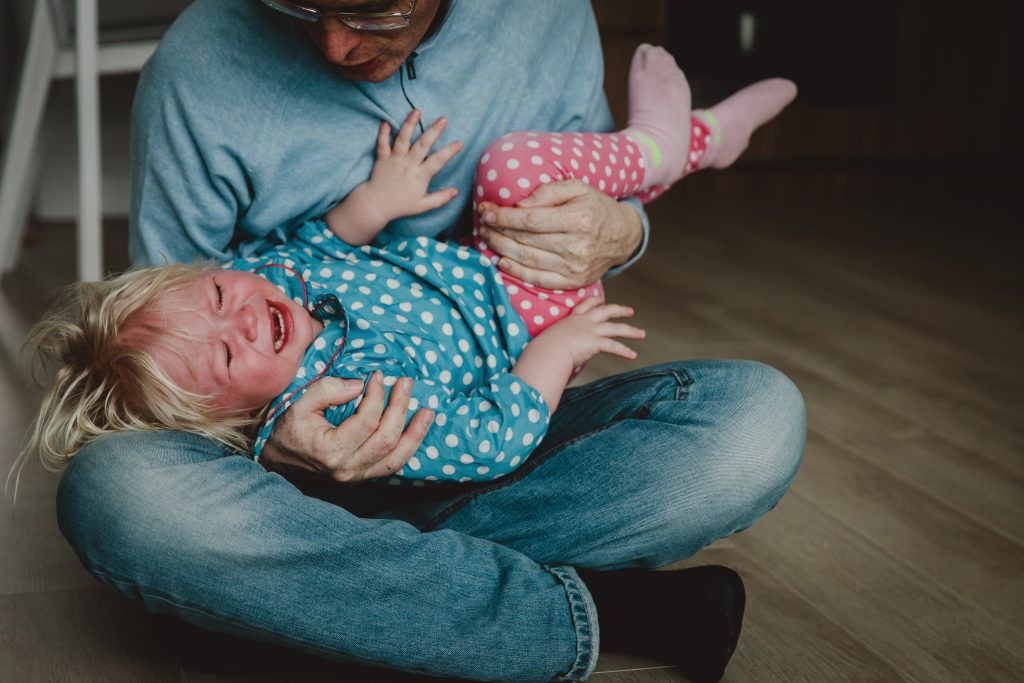
Anxiety is another recognised trigger and may result in an overreaction to a situation that a child without such anxiety would not react to. More severe levels of overreaction may be a result of an actual disorder like autism, depression, underlying mental incapacity, or toxic stress.
Parents and carers often suspect that the child is being intentionally manipulative when they act out and may react angrily, however, most tantrums are involuntary on the part of the child; they cannot help it. Serious temper problems may have been reinforced by responses that encourage the behaviour, such as adults giving in for a “quiet life” or giving the child too much attention immediately after an event occurs. Despite this, the underlying source remains the lack of control impulse and emotional regulation, which they generally cannot achieve without consistent adult instruction during these terrible twos.
Psychologists specifically do not blame the child but also do not blame the parent. However, psychologists also say that parents’ behaviour is more easily adjustable and so this is the most powerful tool for helping children suffering from tantrums. In other words, it is the parents (and carers) who must adjust their behaviour and deploy strategies to help the child, rather than the other way around! This means that a forcing strategy, beating, removal of privileges, pin down (i.e. strapping into a highchair) or banishment (removal to another place) do not work because the child does not recognise they have done wrong. Rather, we have to educate not punish (see below for more specifics).
Why do toddlers bite?
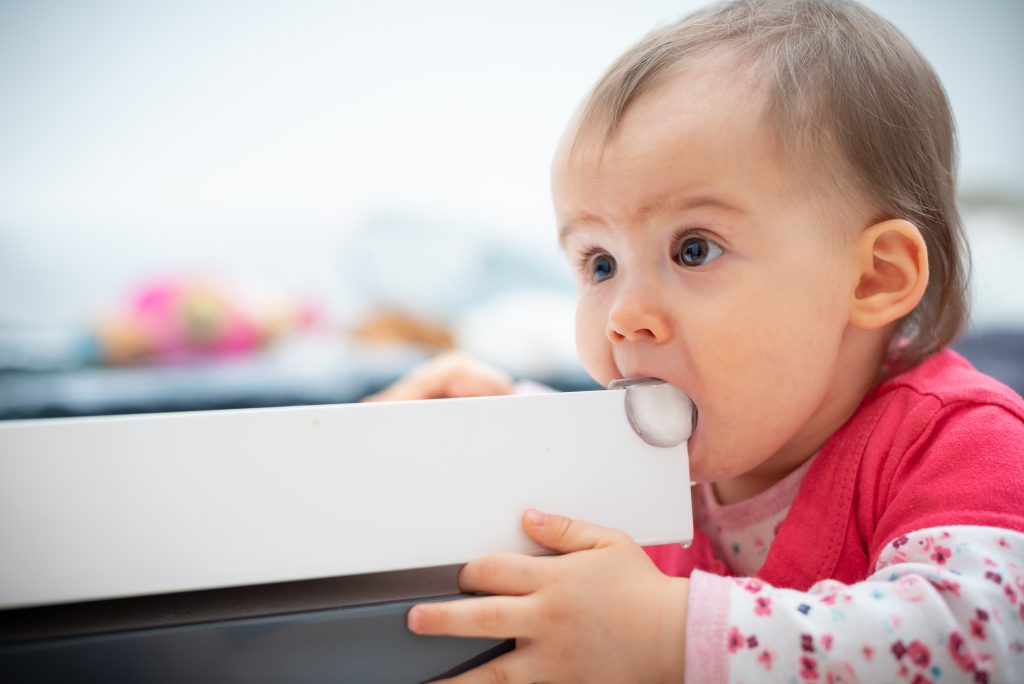
There are many specific reasons, depending on the age of the child, and these reasons may manifest as any kind of acting out, including biting. There do not appear to be any special circumstances that lead to biting specifically, except the obvious one for children under 1 year, which is teething, as they are experiencing discomfort and also testing out their new teeth.
This is quite obvious to parents and carers and the remedies and reasons are well understood: use teething toys and introduce food with different textures that requires chewing and you will both get them through the phase and move them on to solid food. However, toddler biting is a bit different as the motivations are different and it is vital that we understand these motivations because if we don’t, we cannot select the appropriate development strategies and may make matters worse rather than better.
Toddler biting is all connected to the, above-mentioned, brain development and seeking independence phase. It is normal and indeed necessary for their healthy development; these are not “bad” or “naughty” children and must not be treated as such. But before we get on to dos and don’ts strategies let’s summarise the immediate, reasons a toddler might kick, hit, scratch, bite or otherwise act out:
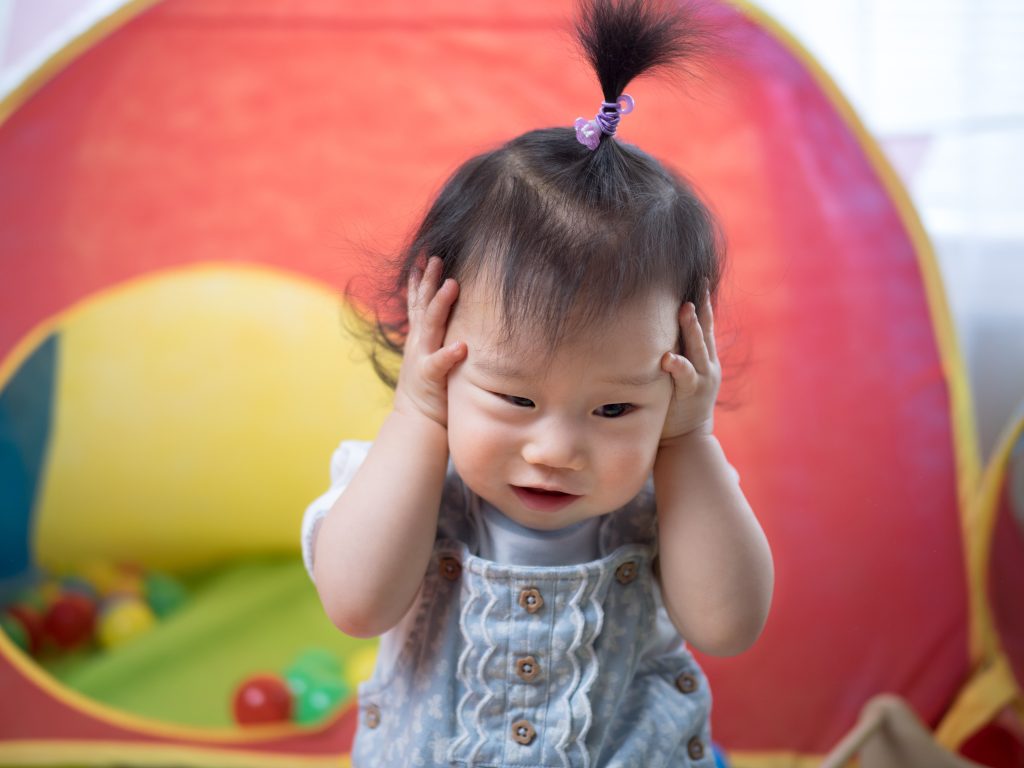
- Even after teething, they might be exploring – answering questions like, “What does biting feel like?” and “What happens when I do it?”. Children are programmed from a young age to explore the world with their mouth; indeed, it is a primary source of concern for parents in the very early years as they strive to protect their children from eating things harmful to them; as parents we already know this.
- They may need more oral or sensory stimulation; they might need more active playtime or physical exertion to use up excess energy.
- They are feeling frustrated about not being able to communicate their feelings verbally, especially around what they perceive as injustice or interference by another person (adult or child).
- They are overwhelmed, overtired, hungry or bored.
- They are stressed and anxious about something (toxic stress) or suffering a lack of attention from people important to them – this is the more extreme case and the one that is most difficult to deal with as toxic stress emanates from major factors such as extreme poverty, physical/mental abuse and neglect. Although neglect has less dramatic versions that can more easily be addressed if parents are aware of the causes and take active steps to remedy them (i.e. simple lack of attention or interruption of normal parent-child interactions – see our piece on screen time, in particular the section on background screen time and something called technoference, for more on this).
- They are suffering from a clinical development challenge – this one requires specialist assessment and care, when the usual development strategies and care settings are not working. It is vital to recognise and accept such cases early and take the appropriate action. However, things like ADHD might be a premature diagnosis if normal strategies have not yet been given a chance to work.
What to do to stop the biting?
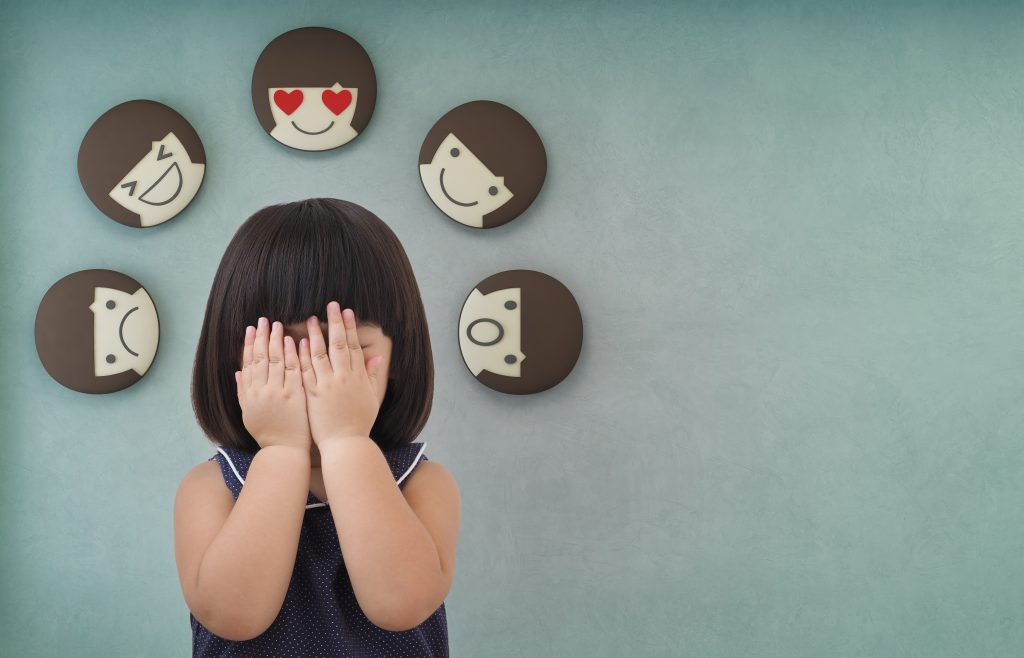
The first thing to do is recognise the child is not acting from a place of malice or manipulation. They are not bad or naughty and we must avoid any language that assumes or projects this onto the child (including referring to them as “biter”). Rather we must remember that this is normal and begin the process of helping the child to deal with the emotions bursting out of them.
ONLY by doing this will the child learn to self-regulate and then the physical manifestations and tantrums will subside and disappear over time. Again, we MUST do this because if we do not teach them to handle their emotions by the age of 4 they are at grave risk of never being able to do so, becoming perpetually emotionally immature.
Second, we must analyse the situations and events that trigger the outbursts and anything relevant that leads up to the event. In this way we can focus in on the specifics of what is bothering the child. Then we can target the work to help the child understand both the underlying emotional problem and to find different ways to express this rather than hurting others. Indeed, a tantrum is more preferable to physically harming others and from tantrum we reduce down to more “normal” expressions of emotional hurt and thence to acceptance that you cannot always have your own way, which is impulse control. At which point the child is well on their way to becoming a mature adult, although there is still a long way to go and many major hurdles to clear as we all know…
Some things to consider in the assessment of the biting situations:
- Was the child active or passive at the time of the incident? If active, were they verging on hyperactivity? If passive, were they fixated or intently focused on something before being disturbed from that thing?
- Assess whether they may have been overstimulated or bored? Understand what activities they were exposed to in the run up to the incident that may shed light on their state of mind.
- Does the child get triggered by one or two specific individuals or more randomly by many – the former suggests particular behaviour by the individuals that were bitten may have contributed to the incidents, maybe they too are acting out; the latter suggests a wider environmental issue such as boredom, overstimulation or a deeper anxiety or medical condition may be impacting this one individual child.
- If you can, pinpoint the specific triggers: trying to snatch a toy or having one snatched from them; being physically interfered with first (whether intentional or by accident) etc. This will both help understanding of the emotional response and offer an avenue to discuss more appropriate behaviour with all involved in the incident.
- Children sometimes bite because they are hungry. If you know the child is not eating well at mealtimes suggest a snack and remind the child that this is the only biting allowed.
Don’t!:
- Label the child “a biter” or a “naughty” or “bad” one – it is not their fault and being blamed will only deepen the issues underlying their emotions.
- Shout at or shame the child – this will only escalate the emotional issues and may also trigger a tantrum or meltdown.
- Punish the child for biting, especially hitting or biting back (to teach them a lesson) – this will only reinforce that such behaviour is normal, it has the opposite effect to that intended and in any case is a form of abuse that may be resulting in additional stress for the child. Also, punishment, especially without adequate explanation, will only serve to heighten the injustice emotional response and actually make the behaviour worse. This includes actions like banishment or physically pin down.
- Blame parents or carers, this is a natural developmental phenomenon. It is unproductive to seek to lay blame, and eventually your child may be the one biting! It is necessary to focus on the child’s needs and the triggers for the acting out and come up with a plan.
Do!:
- In a neutral, non-judgemental, voice, and with neutral body language (no finger wagging!) use short, clear, words to inform (educate) the child that biting is wrong and hurts people. Ask if they want to hurt people, they will typically shake their head and praise them for saying so. Say things like: “we don’t bite our friends”; “biting hurts”; “biting makes others sad and angry”. Never say they will be removed from the house if they bite as this can trigger abandonment anxiety, which will make matters worse!
- As the child grows, help them to acquire the words to say what they don’t like rather than react and reinforce the message to all children to “use your words”: stop, no, don’t like, don’t want, want, mine etc.
- We can also teach children the value of sharing, taking turns, saying sorry and so on, but it takes time, this will be a slow process at this age.
- Use short books or screen based media to show the child how biting is wrong but talk them through it, again using short simple language and seeking their participation in the discussion. [See our piece on Use of Screen time in Early Years for insight into how best to use media with Early Years children.]
- Children may also benefit from role playing games on what to do if you hurt someone and what to do to avoid the problem (e.g. apologise, sharing, taking turns – all learned behaviour that must be taught)
- Ensure that all people with access to the child follow the same strategy (school, home carers and other family members). Consistency of message and actions from all adults in the child’s life is vital to land the behavioural changes we need as quickly as possible, if granddad chuckles when the child bites it will suggest that biting is fun. This is especially important for the more serious toxic stress causation.
Actions to take in the moment when a child bites another person (child or adult)
- Remain calm and intervene right away, do not delay your reaction; use soothing tone and words for both children. Never strike the one who bit, or shout angrily. Diffuse the emotions of the situation fast and calm everyone down.
- Watch out for other children coming to see what is happening or seeking to console the child who bit and may now be crying as this crowding in may trigger more biting.
- The priority is to comfort and attend to the child who was bitten. First, because they may need medical attention and second, because it shows everyone present that if you bite you do not get attention and that biting is wrong. In addition, do not cast the bitten child as a victim and thus cast the child who bit as the culprit. Rather use language like, “oh child X is a bit angry right now, eh?”; “sometimes we all feel a little angry or upset, don’t we? And sometimes we don’t know why!”. This is seeking to explain the situation rather than cast black and white moralising that may disrupt the ongoing relationship between the children and ostracise the child who is going through the biting problem.
- Use a neutral, matter of fact, tone and simple words to tell the child who bit that biting is not ok but do not say “No biting”, rather inform them that biting hurts and suggest other things they can do instead (see above).
- If you already know what triggered the incident, then suggest alternatives to biting to resolve it (try patting instead of biting) and see how the child responds to this. If not see if you can find out, through questioning others, or check CCTV if in a daycare setting, or if you have monitoring equipment at home.
- Do not force the two children involved in an incident to continue playing together as this may inflame the emotions and what we want is to diffuse the emotions and get them to practise controlling themselves.
- Redirect both children to a different, more positive activity as appropriate to the situation.
- As the child gets a bit older, they may begin to realise that they have hurt someone and become upset about it. When the children are calm and if the child who bit seems to understand that they did wrong and want to apologise then let them and manage the interaction to ensure both understand properly and accept, turn it into a lesson.
References for further reading
https://childmind.org/article/why-do-kids-have-tantrums-and-meltdowns
https://health.clevelandclinic.org/young-children-and-biting
https://www.eliteresultsnow.com/post/biting-in-early-childhood-and-how-to-respond
https://www.apa.org/monitor/2011/02/biting
https://www.naeyc.org/our-work/families/understanding-and-responding-children-who-bitehttps://www.aacap.org/AACAP/Families_and_Youth/Facts_for_Families/FFF-Guide/Fighting-And-Biting-081.aspx