Does your child exhibit intense interests and obsessions; trouble engaging in social interactions, especially non verbal; adverse reaction to sudden routine changes; preference for solitary play; habit of interfering with peers; gross or fine motor clumsiness? It is possible they may be Asperger’s kids. This is nothing to be frightened of but awareness is crucial. In this article we will address the issue of Asperger’s specifically in the preschool environment.
Since 2013 Asperger’s has been reclassified as falling under the broad spectrum of autism. However, there are some distinct features that mark Asperger’s kids as different from what people would usually imagine autism to be like. And like a lot of conditions, the earlier it is recognised the better for the child’s early years development and long-term prognosis. Additionally, it is hard to recognise in early years and therefore all the more important to be aware of the signs and, crucially, not to ignore them.
For children of preschool age it is often not yet obvious that they fall on the Asperger’s spectrum. The reason for this is that Asperger’s kids can be very articulate and intelligent, showing advanced language and mathematical comprehension. Furthermore, it is ubiquitous with all very young children to have not yet developed much in the way of social skills. For example, two-year-olds will not typically play together but rather play independently alongside each other.

It is not until later that they begin to play with other children and learn socials skills like empathy, non verbal communication, sharing and taking turns. Thus an early lack of social skills is not obvious nor a particular issue. At this point all a parent or teacher may know is that the child is smart and articulate, precocious even…
Aspergers begins to show around age 4
Around the age of 4, children are expected to have developed some basic social skills, to understand that certain behaviour (like biting, hitting, hair pulling etc.) is not acceptable and to be capable of picking up certain social cues, like nonverbal communication skills (facial emotions, body language etc.). Furthermore, children at this age typically engage in, and enjoy, group play and other social interactions like playing sports/games, dancing and singing with their friends.
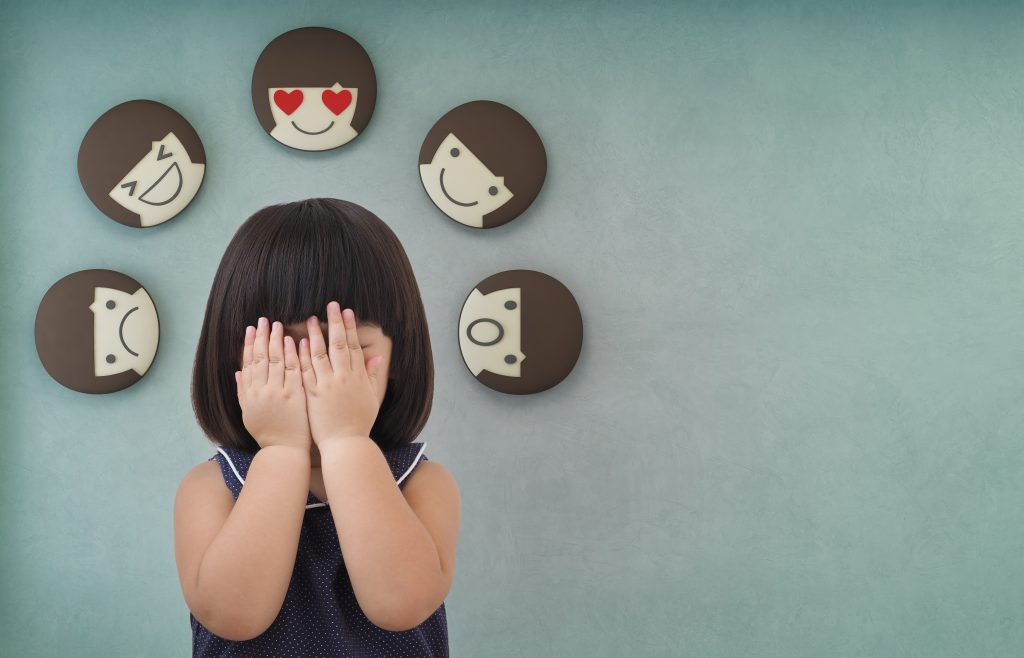
For Asperger’s kids this is where the condition begins to become apparent and parents get concerned and schools begin to raise issues, because Asperger’s kids often do not exhibit this social behaviour, or do so inexpertly. It can be a difficult situation for everyone, not least the child, as a lack of conformity, not fitting in, is unsettling and can produce behaviours that are disruptive to others.
It is all too easy to lay blame: the school is too lenient, the parents don’t discipline or take an interest, the child is just bad or “not right in the head”. But if the answer is simply that the child is an Asperger’s child then likely none of these are correct. Formal assessment as an Asperger’s child often does not occur until between 5-10 years of age and as with almost everything, early diagnosis is important.
In short, we refer to this social development stage as “becoming socialised” and child psychology studies have shown that children who do not achieve socialisation by about the age of 4 are at greater risk of never achieving it, which may blight their lives in the future. However there is a difference between non Aspergers’s kids and Asperger’s kids in this regard as the lack of socialisation is driven by different factors and thus requires different solutions. You have to look at the root causes of the behaviour to figure out the solution. So whereas a stricter more rigid school environment and changes in discipline and family behaviour at home may work for non Asperger’s kids, it could be detrimental to an Asperger’s kid.
What are the typical signs that a preschool aged child is an Asperger’s child?
In addition to maybe being above average intelligence and perhaps technically articulate the following traits can be manifest as different from the norm. Note: not all need apply, everyone is a bit different and this is a spectrum of behaviour we are considering after all. Indeed non Asperger’s Kids may exhibit some of these behaviours.
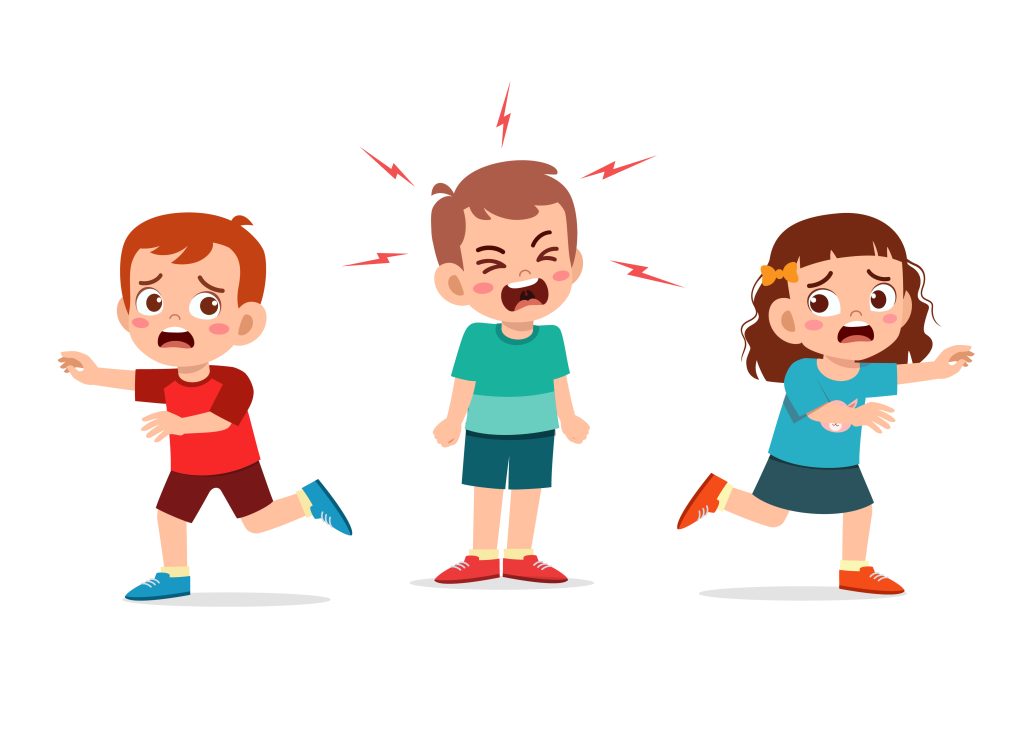
Key Behavioural and Social Signs (Preschool Age):
- Social Difficulties: Limited eye contact, lack of facial expressions, and trouble engaging in back-and-forth interaction or understanding social cues, especially nonverbal ones.
- Rigid Routines: A strong need to follow strict daily schedules and distress when routines are changed.
- Restricted Interests: Intense, long-lasting interest in specific, narrow topics. Although it should be noted that many intelligent children develop obsessions like vehicles or dinosaurs but grow out of them in due course, as indeed do Asperger’s kids.
- Play Behaviour: Preference for playing alone and limited engagement in imaginative or “pretend” play.
- Emotional Regulation: Difficulty managing emotions and understanding others’ emotions, often appearing “non-empathetic”. Also, difficulty in sharing their emotions.
- Repetitive behaviours: Repetitive movements that may seem like OCD behaviour, flipping objects and echoing words or phrases they have heard from parents or teachers and lining up objects, like toys, are some of the types of behaviours that may manifest.
Communication and Physical Signs:
- Unusual Speech: Speaking in a flat, monotone, or robotic tone, or adopting high-pitched, loud, or fast speech patterns.
- Literal Interpretation: Taking things very literally and difficulty understanding nuance, sarcasm or irony.
- Motor Clumsiness: Appears uncoordinated or awkward in movements, such as running with a stiff posture or having trouble with fine motor skills and hand eye coordination.
Sensory Issues:
Hypersensitivity to sounds, lights, tastes, or textures. Some can experience the opposite, Hyposensitivity, which is a reduced response to sensory stimulation leading to them being attracted to more stimulation than normal.
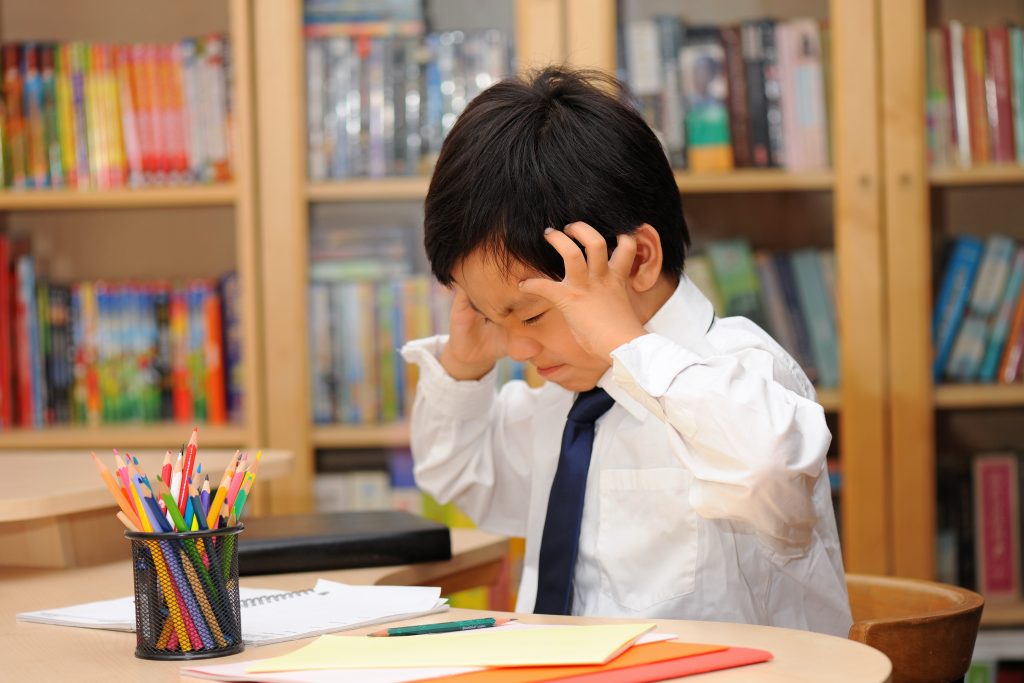
Asperger’s children usually feel comfortable in a fixed routine framework. Even slight changes to their schedule can cause some distress. They may become very enthusiastic about specific areas of interest and quickly memorise much information about them, indeed their memory may be prodigious. Asperger’s children often fixate on their favourite topics in conversations with their peers or adults displaying this vast accumulation of knowledge. They may also prefer the company of older people vs their peer age group.
What to do if you are concerned about your child?
There are no diagnostic tests as such and Asperger’s is not treated as an illness because it isn’t one, rather it is a neurological condition thought to be based on both genetic and environmental factors. Typically, pediatricians will check for signs of Asperger’s at regular wellness visits and may refer to a specialist for further assessment. There is no “cure” as it is not an illness, but there are a range of therapies that can help to improve long term coping. Which therapies to deploy will depend on the specific form the condition takes in an individual and as such personalised assessment and advice must be sought from a professional. Usually the place to start is with a pediatrician.
Asperger’s in Early Years Education
Generally, Asperger’s kids will not require special needs environments but their school experience will not be typical, and they may suffer challenges being accepted and included in many school environments. Therefore some provision for help accessing schooling and safeguarding against bullying will likely be necessary. Even non Asperger’s kids further towards Asperger’s on the behavioural spectrum than the norm may require some of this!
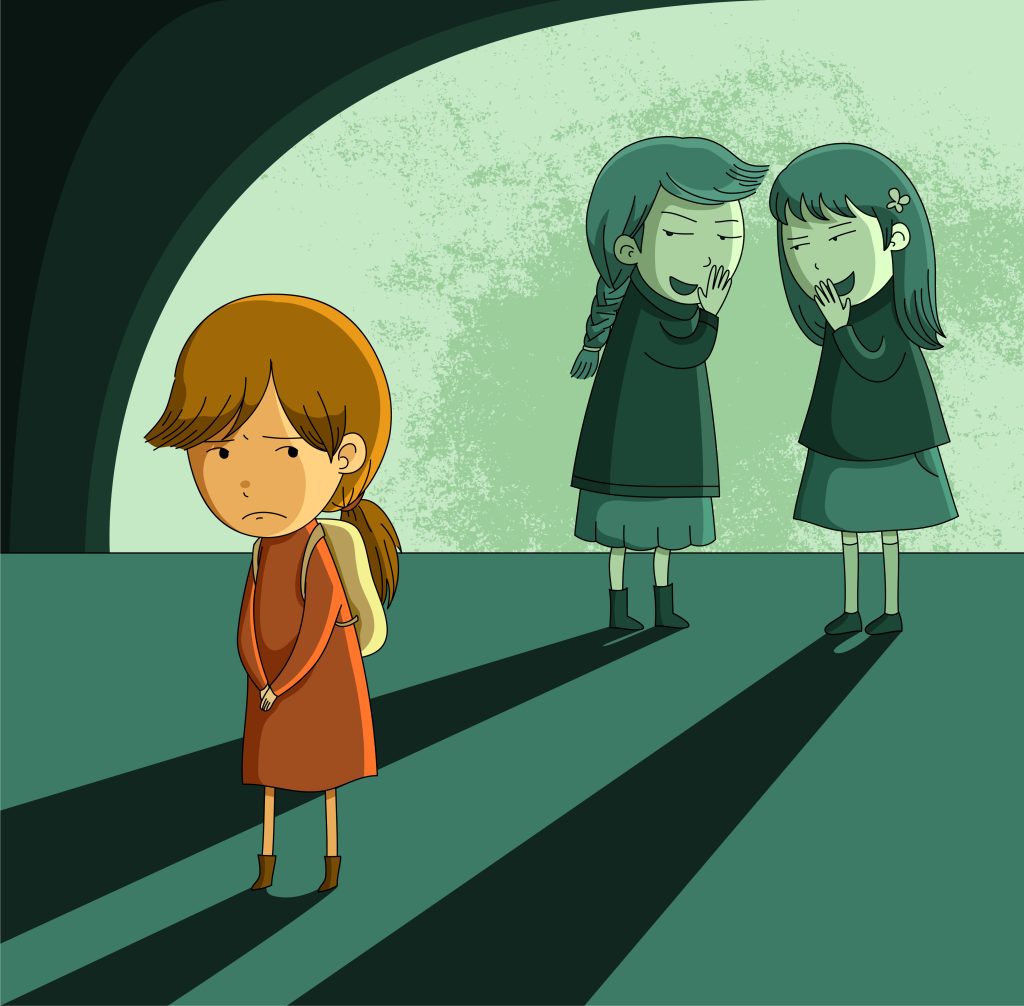
However they can thrive with appropriate support and relatively minor accommodation, subject to individual circumstances. Placing Asperger’s kids into a regular classroom (known as inclusion) will put a greater workload and strain on teachers and the Asperger’s child. Teachers are not usually specifically trained to deal with special cases and a lack of conformity to the standard classroom pattern can be challenging to manage, especially if behavioural issues emerge. A high level of parent involvement and home coaching and support is necessary, above and beyond that required for a non Asperger’s child. A structured routine environment is likely to be necessary but equally an environment where the Asperger’s child is not forced to do things that trigger them is crucial. And just as with every child, not all Asperger’s kids are the same, the approach must be tailored to the individual child as much as possible. Even so it is likely to not be the easiest of childhoods, a lot of patience, persistence and confidence building is required.
Some things to consider in classrooms and at home when dealing with teaching Asperger’s kids:
- Make the learning environment a place that is comfortable, consistent and safe (frankly this goes for all kids). For Asperger’s kids you may want to reduce sensory stress and limit situations that may exacerbate motor clumsiness. Handwriting difficulty is often a major stressor for Asperger’s kids in education. Doesn’t mean you don’t do it with them but need to give more time and encouragement.
- Asperger’s kids tend to need structure. Establish a timetable or pattern for the day and display it and minimise changes or give lots of warning if there is to be a change so the child has time to adjust.
- Post visual aids to remind children of instructions, classroom rules and timetables.
- Use visual aids as much as possible in teaching.
- Strive to speak in a calm manner without overly emotional embellishment and avoid shouting and loud noises.
- Language used should be simple and if using metaphors they should be explained. While Asperger’s kids may have a strong technical grasp of language they are often very literal and lack capability to recognise nuance and metaphor.
- If an Asperger’s child expresses certain particular interests then use this as a hook to engage them. If they are particular gifted in an area like maths and advanced vs their peers then feed them with harder problems to solve to avoid them getting bored because bored children, even non Asperger’s kids will act out.
At Purple Dragon we build most of the above into our process already as we believe it is also good for all early years aged children. The play based method allows for flexibility but the Purple Dragon method is framed in structure and a timetable rather than a child led free choice method like other play based offerings. Thus we blend structure and play based education to achieve the optimal blend. We believe this works well also for Asperger’s kids.
Asperger’s kids can have independent, successful lives and progress in careers and have families of their own. They will always be a bit different but so what, isn’t diversity supposed to be a good thing? What is important is not to fear it or feel disappointed or worried about it. Simply get the facts, have your child assessed and come up with a strategy to help your child maximise their potential, play to their strengths and minimise their weaknesses as much as possible. In the end this is the same for all children when you think about it…