
How must Preschool respond to be KP2027 ready?
Since the turn of the year the announcement of a new school curriculum launch for 2027 (known as Kurikulum Persekolahan 2027 or “KP2027”) has triggered a lot of discussion and some uncertainty, especially in Preschool circles. Initially there was a lack of clarity on scope and timing but this has now settled on a voluntary shift of Standard 1 start from aged 7 to age 6 (turns 6 in the academic year), subject to space restrictions. This means that those who wish their children to start early must apply to their chosen schools and wait and see if they are accepted. If not, they remain at Preschool and start primary the following year as normal. Initial qualification testing for this early entry was scrapped.
At present the government has indicated that this voluntary process will remain in place indefinitely, thereby offering parental choice as to whether to enroll their children at age 6 or age 7, resulting in a bit of a headache for Preschools in terms of how to handle the ongoing fluid situation. However, the start age is not the only change. Primary (and secondary) education is undergoing a significant overhaul that impacts what and how your children are taught. And this change covers Chinese primary schools (SJKCs) too! This has ramifications for Preschool preparation.
KP2027 for Primary Standard 1
KP2027 is not just about bringing forward the start of primary level education by 1 year but more importantly is changing the focus of education and the method of teaching.
“KP2027 is more than a structural curriculum overhaul; it is an effort to revive the true spirit of education and reposition schools as spaces that foster values, cultivate intellectual discipline and shape students’ personalities, rather than merely being places to pursue academic results.”
Education Director-General, Dr Mohd Azam Ahmad
But what does that mean in practice? There will be 3 core areas of change as follows:
- Character development: connected to values and behaviours.
- Nature and Humanity: about understanding the relationship between humans and nature and environmental appreciation.
- Co-Teaching: about how teaching is delivered
1. Character Development
According to Dr Ahmad there will be a strong focus on character development, “indeed it is the most distinctive feature of KP2027”, he said.
However, this will not be taught via textbooks but rather via practical everyday activities and routines. This means showing respect, empathy and exhibiting core values. Working in teams and social compromise are also part of this area. Practical things like tidying up after yourself and personal hygiene are also part of this overall values agenda.

MoE Curriculum Development Division director Nooraini Kamaruddin explained that this character development agenda would be implemented through 2 main approaches:
- Specific time allocated to a programme of hands-on learning about character traits. This is not a new subject but rather a programme of development that overarches the curriculum, beginning in Preschools (see below for more details).
- Integration into existing subject activities, for example, when teaching Science, the character development component is about collaborating in groups and being tolerant and honest when working together with others.
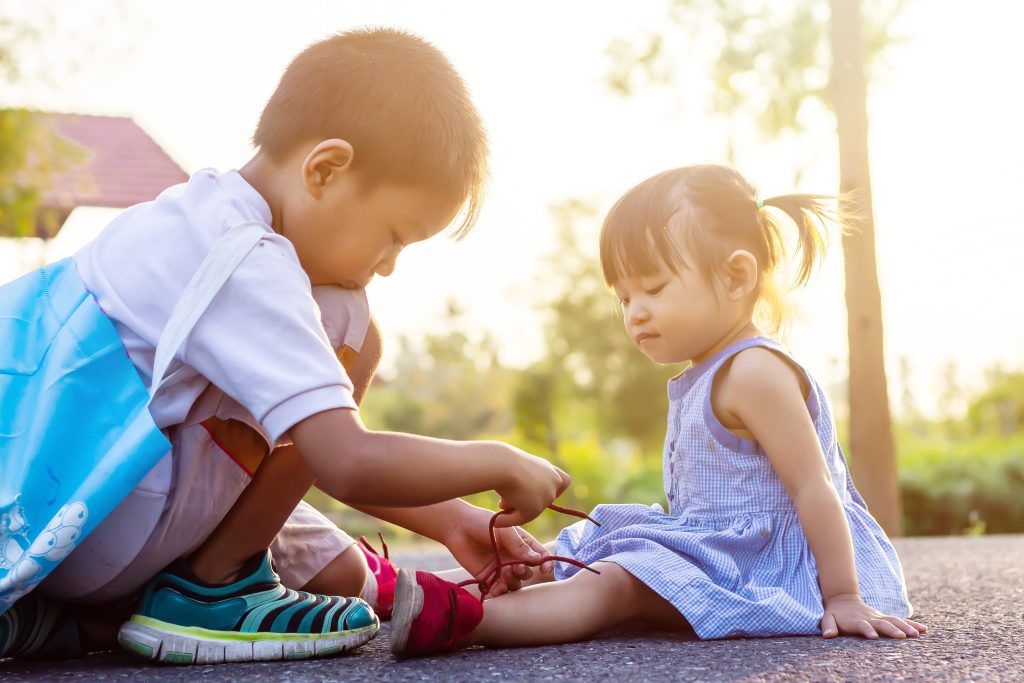
As regards number 1 above Nooraini Kamaruddin said, “At the preschool level, character-building takes place continuously through daily routines such as arranging shoes, sharing food, helping friends and maintaining cleanliness, without a fixed timetable.” [This is already integral to the Purple Dragon method as is the focus on team and group social interaction, collaboration and mutual respect].
“At the primary and secondary school levels, MoE will allocate 60 minutes a week [of specific experiential instruction] (to the character development programme) within the school timetable.,” Nooraini Kamaruddin said.
2. Nature and Humanity “Alam & Manusia”
Dr Ahmad also said that another key area is called Nature and Humanity “Alam & Manusia”, which is “a culture of learning that weaves together multiple disciplines, from music, health, arts and science to TVET (technical and vocational education and training) and digital elements.” This aims to bring practical real world application to the classroom rather than purely book based theoretical understanding.
It is about experiential learning through hands on activities and experimentation and the observation, discussion and recording of the results of these activities. It is also about understanding the relationship between humans and nature and environmental appreciation. [At Purple Dragon such hands on experiential methodologies are already at the core of our play-based/inquiry-based method and real world application is at the heart of the play based method.]

3. Co-Teaching
Dr Ahmad said that “KP2027 promotes the pedagogical method [means: the practise and study of how teaching works] where two teachers work together in one classroom, jointly planning, delivering and assessing teaching and learning”. He also cited integrated learning where two teachers of different subjects collaborate on joint lessons with crossover elements.
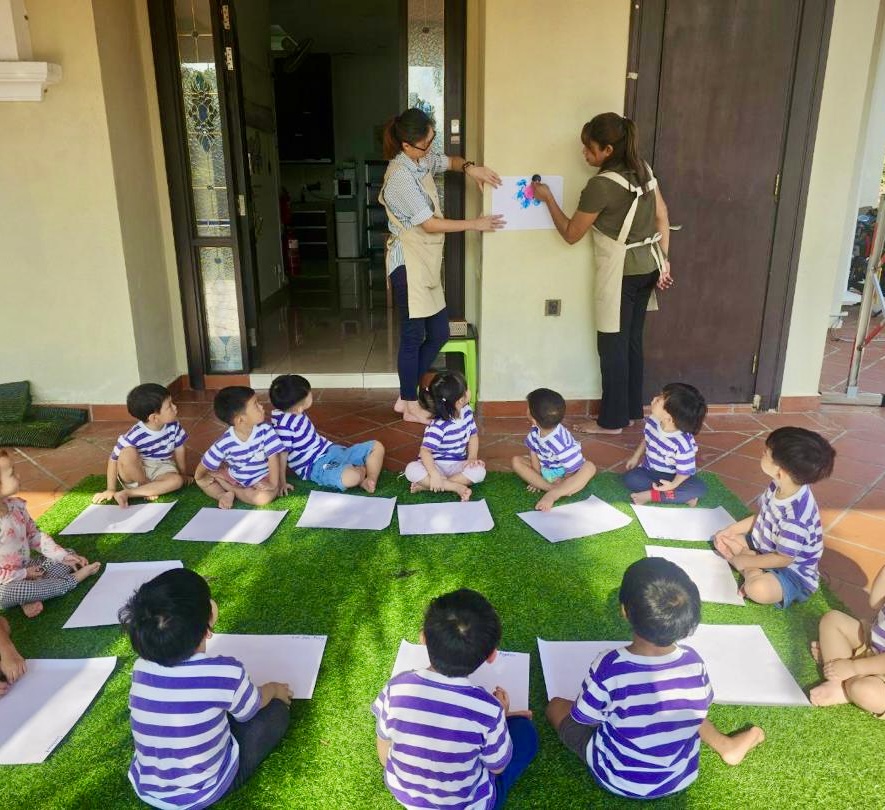
[This is already common practice at International Schools and at Purple Dragon, where we also leverage the concept of “always learning all the time” such that, for example, during P.E. children also learn language and counting or conversely, we use P.E. activities (games) to teach things like counting and number lines or language concepts such as opposites and prepositions.]
Zekolah blog piece said, “KP2027 emphasises balanced early-years learning that includes play, exploration and foundational skills in language and numeracy without academic pressure. This reflects the MoE’s view that early education should be holistic rather than ‘drill-and -kill’”
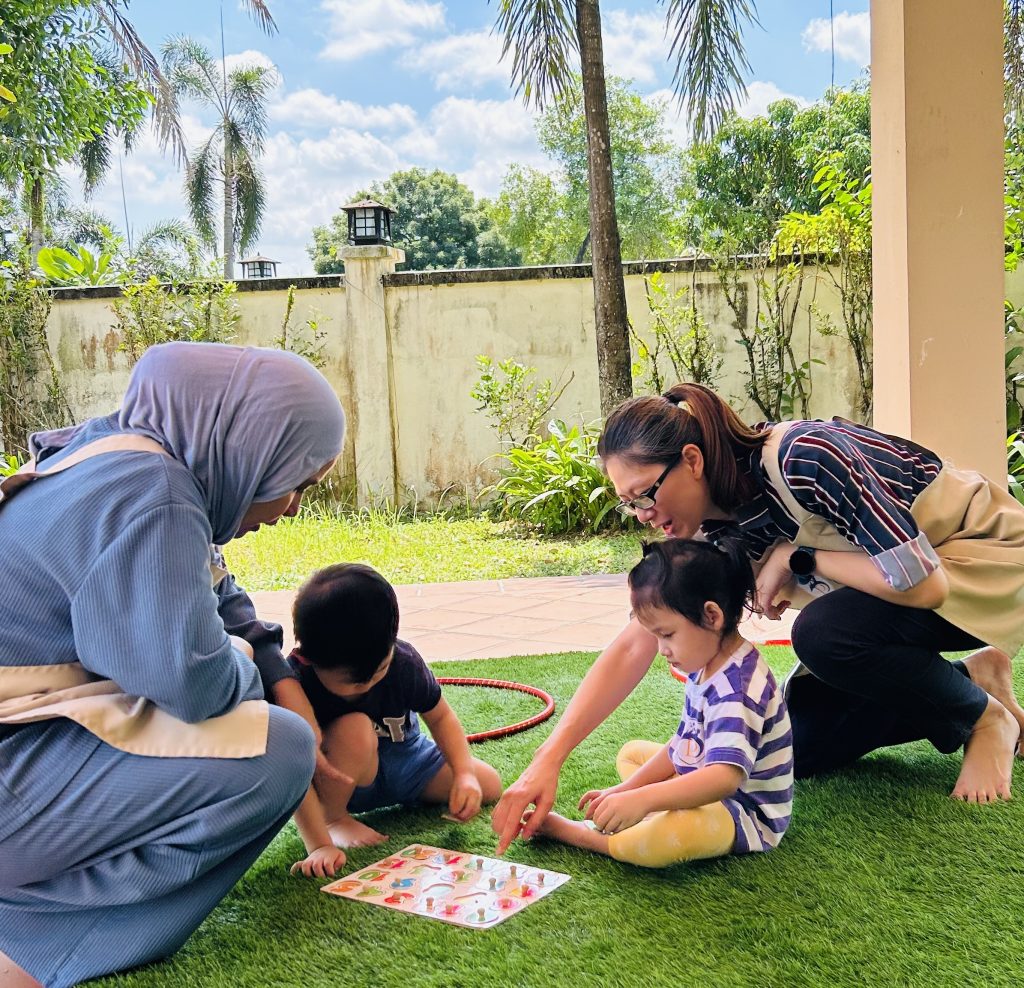
In summary, Dr Ahmad said, “education can no longer produce “bookworms” as in the past. Instead, it must nurture balanced individuals with strong values, emotional stability and creativity.” [As Purple Dragon already follows a non-book based, play-based philosophy we fully align to this aspiration however without compromise on technical learning. Indeed our play-based method enhances learning quality, speed and durability]

What does KP2027 mean for Preschools?
The key considerations for Preschool providers are as follows:
- Preschools must ensure that all children are Primary ready by age 6, as far as humanly possible given the reality that children lose 1 year of preparation academically, physically and emotionally.
- Preschools must also provide a credible extension for an extra year for those children who either do not get accepted for the early start or whose parents prefer to allow them that extra year of preparation.
- Of course, there is also a responsibility placed on primary schools to bridge the lost year of Preschool preparation, especially in emotional development and likely particularly in Mandarin proficiency for Chinese schools as 1 year less of mandarin experience is a significant impact that cannot easily be addressed by Preschools. Parents should inquire about how their chosen primary school plans to address this inevitable gap.
- Preschools must align to the 3 main KP2027 elements as detailed above and recognise the shift from book-based to play-based/inquiry-based methodologies and associated teaching methods to prepare children adequately for the new environment they will face in Standard 1, regardless of which age they are.
How are Purple Dragon responding to KP2027
We have already adjusted our 2026 curriculum and lesson plans for aged 4 and 5 children to meet the standard 1 expectations as far as possible given the time allowed. Our play-based (non-book-based) curriculum and lesson plan structure has made this relatively easy for us to execute, although there is a bit more challenge placed on age 5 children to prepare for Standard 1 in January this time. Still, we are confident our 5 year old group will be ready.
We are also preparing our 2027 lesson planning to meet the above considerations for all year groups to rebalance the entire curriculum across fewer years and decide what topics must be cut and put into the extended year curriculum. Our objective is that, whichever route parents choose to take, the children will be ready for Standard 1.
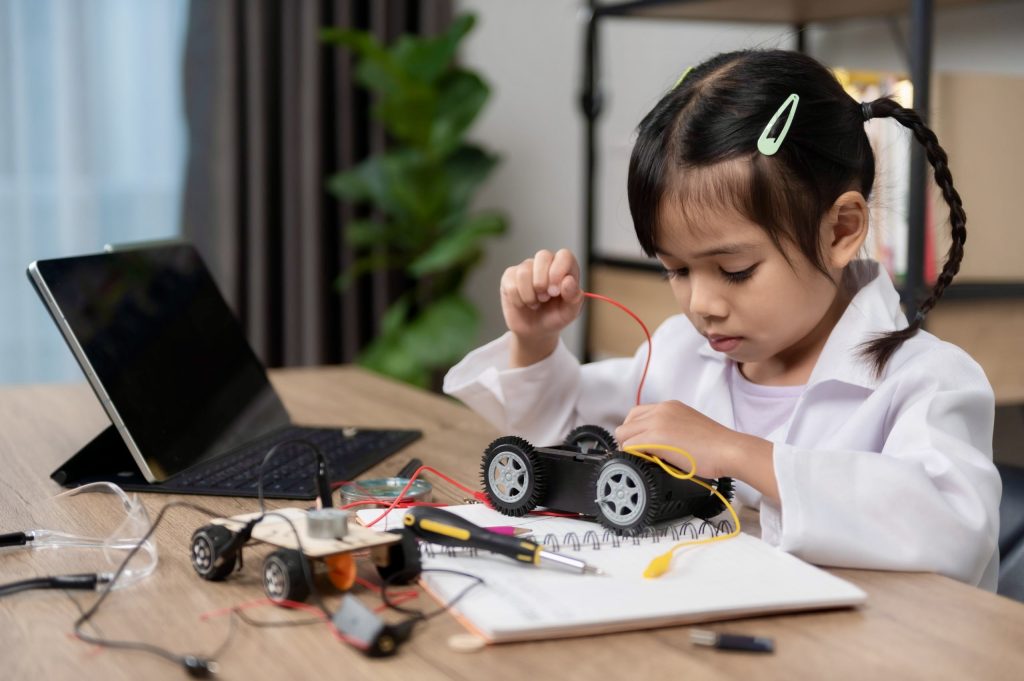
As our method already aligns to KP2027 we need only ensure the academic materials is covered as comprehensively as possible given the lost year. For those staying with us until age 7 there will be a focus on a deepening of academic understanding of topics cover at age 6, a broadening of some topics, and time for further maturity in both emotional and physical education. Rest assured an additional year with Purple Dragon will be a year well spent.
We will be issuing more detailed curriculum adjustments to our parents in due course as well as updates on our new school premises progress and invitations to visit the new school and discuss the plans for 2027 directly with us.
What should parents do?
This year those who want to take the accelerated route will already have discussed readiness with their Preschool provider and if appropriate applied to their chosen school [we have a short Instagram piece where we interview one of our parents on this topic].
For next year parents should attend milestone assessment parent/teacher meetings and decide if their children are better served to stay an extra year at Preschool or go to Primary early, based on a combination of academic readiness and emotional/physical maturity. Parents should contact their chosen primary schools and meet to discuss their application process and what their plans are for transitioning younger age group children, especially in Mandarin for Chinese schools.
In the end this is about parent choice, but it ought to be an informed choice and of course the best one for their particular family circumstances and the children. Whatever choice is made, Purple Dragon will be ready to support your children to be prepared for it.