
Humans are not all identical and thank goodness! Where would we be if we were? No great art or music, no scientific or medical breakthroughs, no amazing building, space flight and no smart phones… They say diversity is our strength BUT it is diversity of ability and thinking and the capability to apply that in real life that is the true source of human ingenuity. And it is Early Years learning where the seeds of this diversity are propagated.
The last two principles of the UNESCO report on How Children Learn [2002] are about tailoring learning to the individual child’s abilities, interests and tastes and what motivates or inspires them. Principle 11 is about a child’s individuality. Research shows that there are significant developmental differences in the way children learn. Children learn best when their individual differences are taken into consideration.
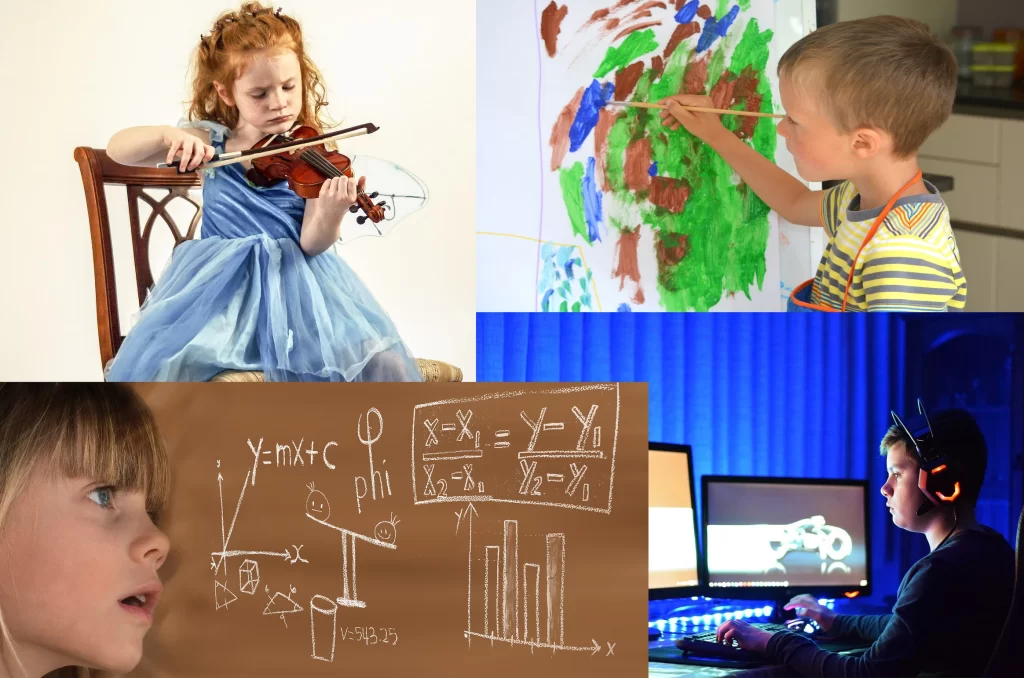
“Developmental psychologist, Howard Gardner has argued that there are many dimensions of human intelligence other than the logical and linguistic skills that are usually valued in most school environments. Some children are gifted in music, others have exceptional spatial skills (required, for example, by architects and artists), or bodily/kinaesthetic abilities (required by athletes), or abilities to relate to other people”. …UNESCO report on How Children Learn [2002]
It is important to expose children to a wide variety of activities and ways of learning to assess what they naturally gravitate towards. While subjects like language and mathematics are necessary core skills and knowledge for everyone, thereafter children will have different interests and innate skills that are likely to emerge that they may wish to focus on for their life journey.
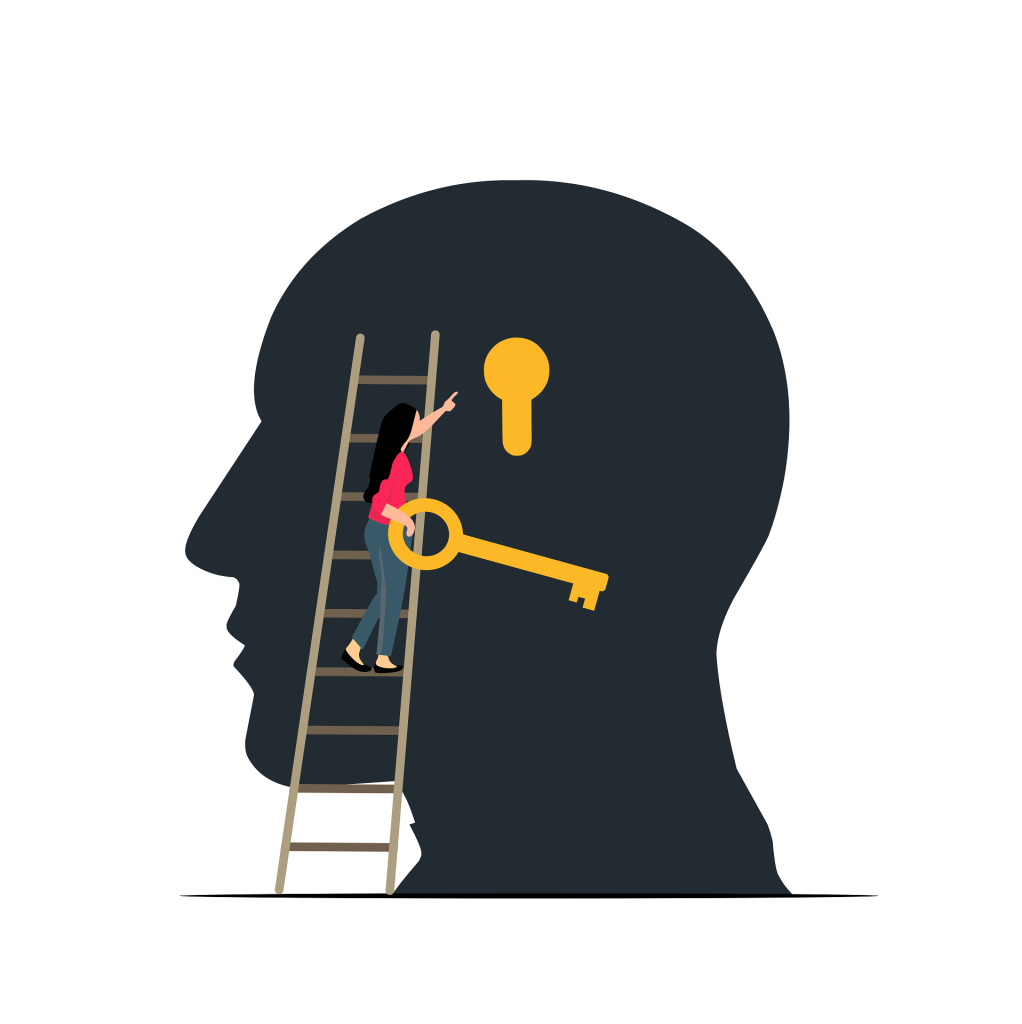
As parents and teachers we ought to balance what children need to know with what they want to learn about and do. We must also discover the ways they learn best but keep in mind that as they grow, they may change or adapt these mechanisms. In this way we discover the best route to unlocking their innate talents and to maximise their potential. Regardless of what this talent may be, becoming a motivated lifelong learner is the key to maximising potential and contentment in life.
Indicated action
Many parents seek to introduce their children to a variety of early learning activities but it is harder perhaps to think of our children as having preferences or innate skills early in their lives. It seems that they do and so we should seek to understand what they like, are attracted to and are good at. They may also respond better to one form of learning mechanism than another.
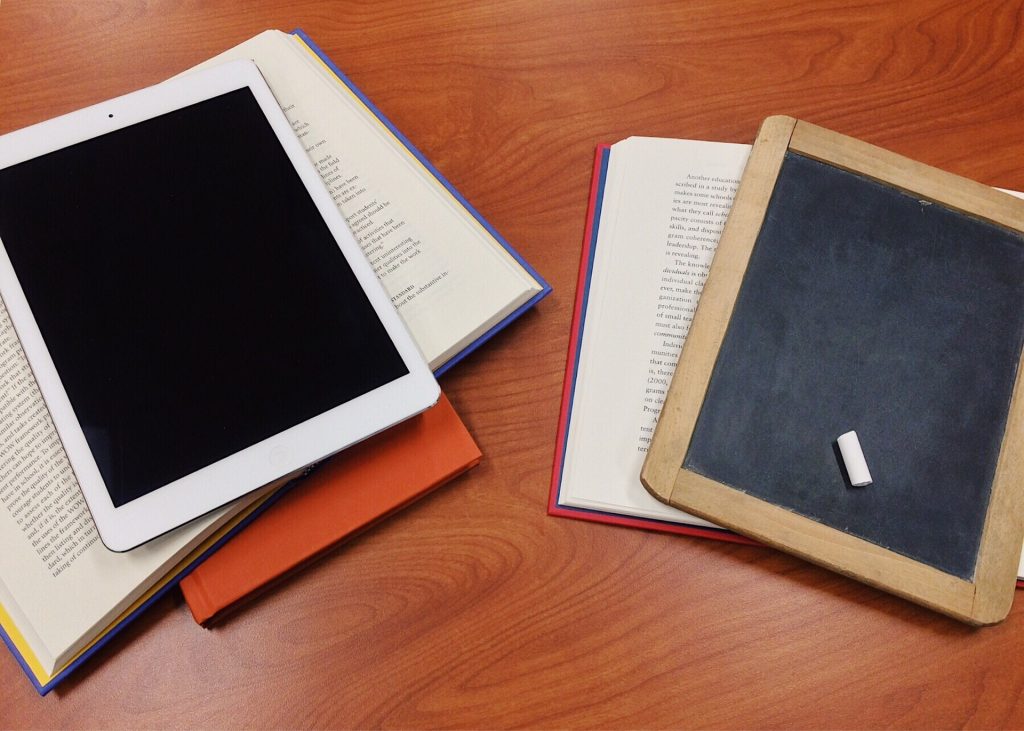
It is important to have a mix of both subject areas and media types to assess the right blend for each child and to recognise that what works for one may not work entirely for another. Create circumstances for children to interact with a variety of people in the community, and particularly with adults who are knowledgeable and enthusiastic about the kinds of things that are of interest to the child. Try things out but change it up if your child is not responding well.
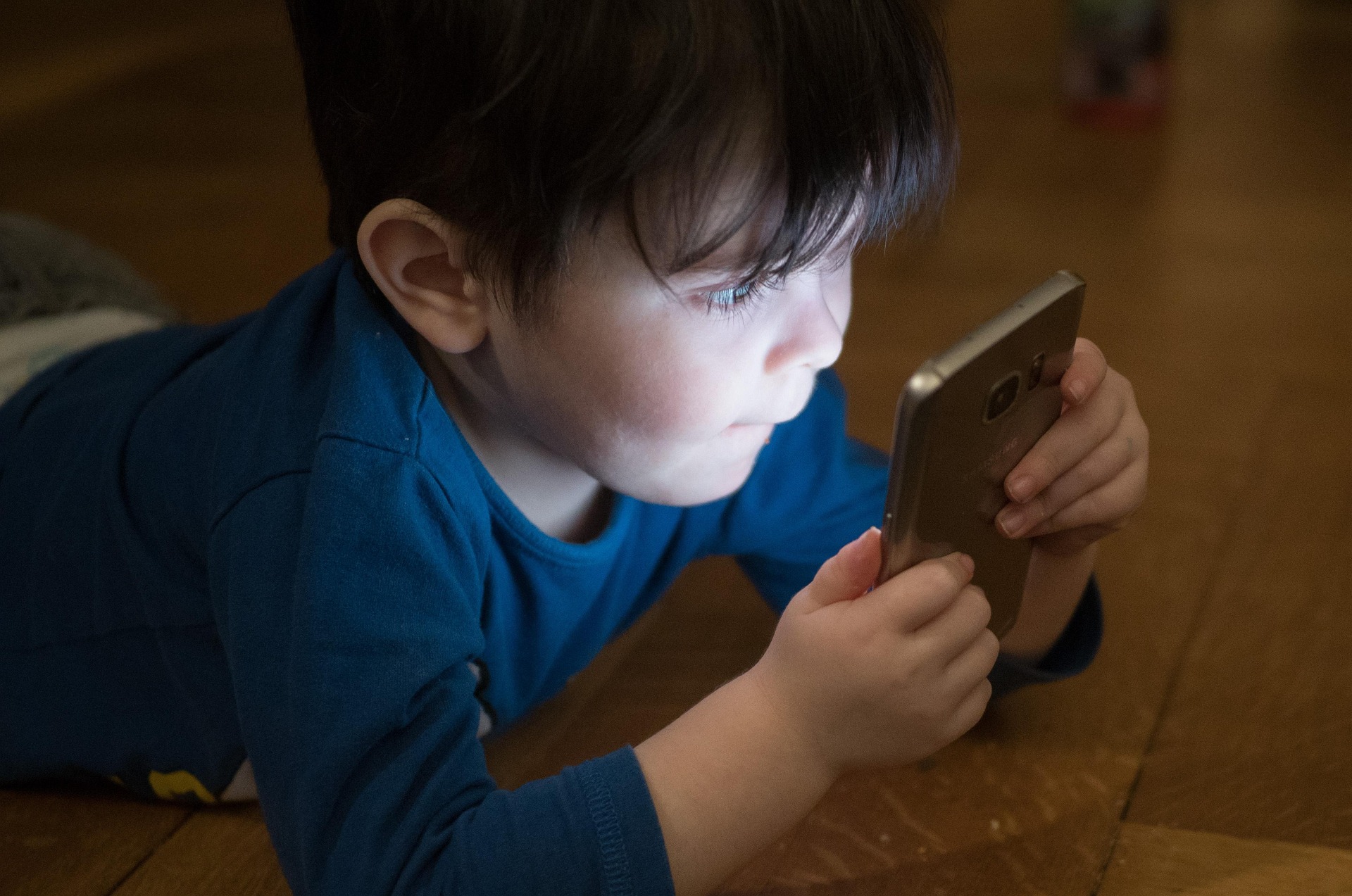
Furthermore, well-structured and diverse educational video channels can assist with rapid exposure to topics and also show children real world situations in which their learning and favourite topics can be contextualised. They also offer a mix of instruction, real world video clips, cartoon abstractions, music, songs, science and story-telling. Interactive aps can offer an opportunity to try things out and conduct exercises. Most importantly, such videos offer the opportunity for children to self select what they are interested in, which helps us as parents and teachers to understand them and tailor our approach accordingly. Naturally such tools must be part of a wider range of activities and screen time should be regulated and interspersed with other activities.
Do not force learning on a child but rather encourage and let them come to it. If forced they will learn to hate the thing in question. Note also the concept of “intense interests” or Extreme Intense Interests (EII) may be a factor here for many children where they become very focused on a particular subject or object type, often vehicles, in Early Years. This is entirely natural and actual an early sign of intelligence and can be leveraged for learning.
Getting out and about into your local environment can stimulate children and give signals of what works for them. Trying different things, be they music and arts related or physical and sports related will help children find what they like and reveal their hidden talents. Above all use of play based activities is perhaps the best way to facilitate self discovery of interests and innate skills.